

PORTFOLIO
The resume is the
least interesting
part.
Some of what's here got built alone, nights and weekends. Most of it shipped because of a team — either way, this is the record.
edge computing.




PowerEdge XR4000z | Multi-node Edge Server
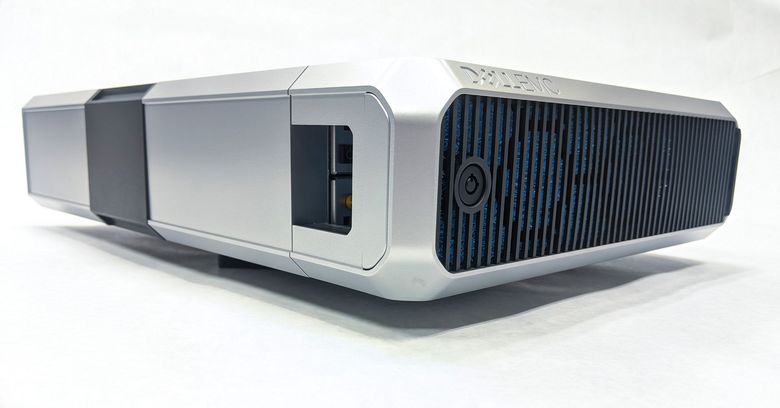
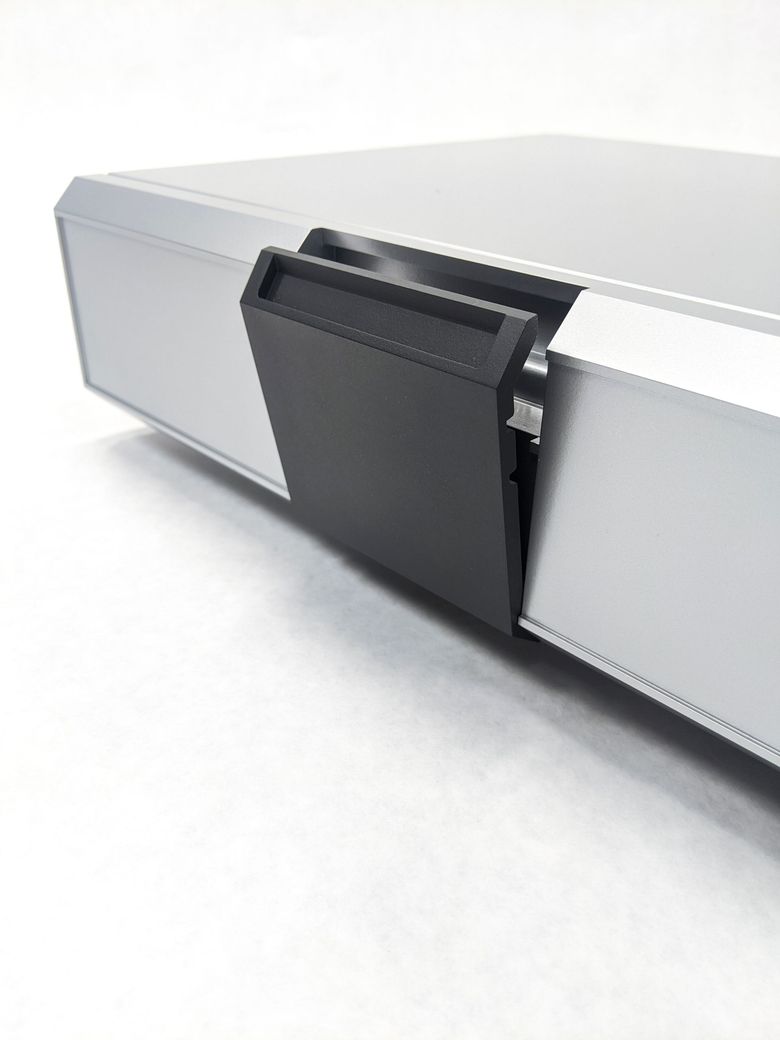
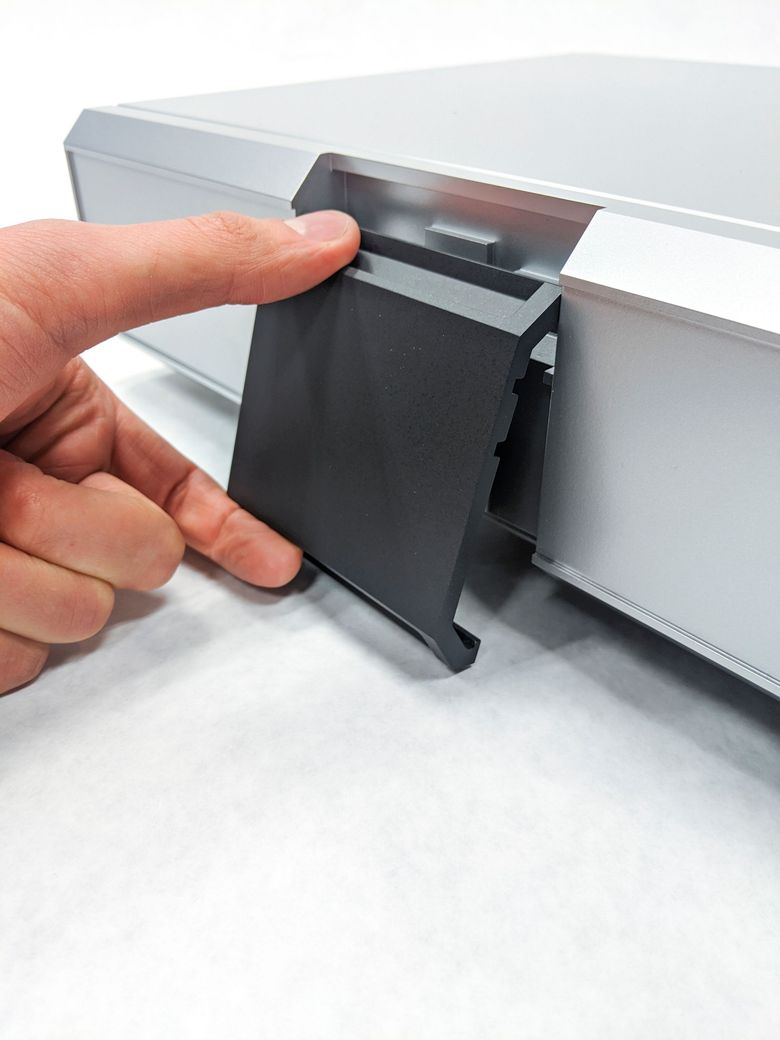
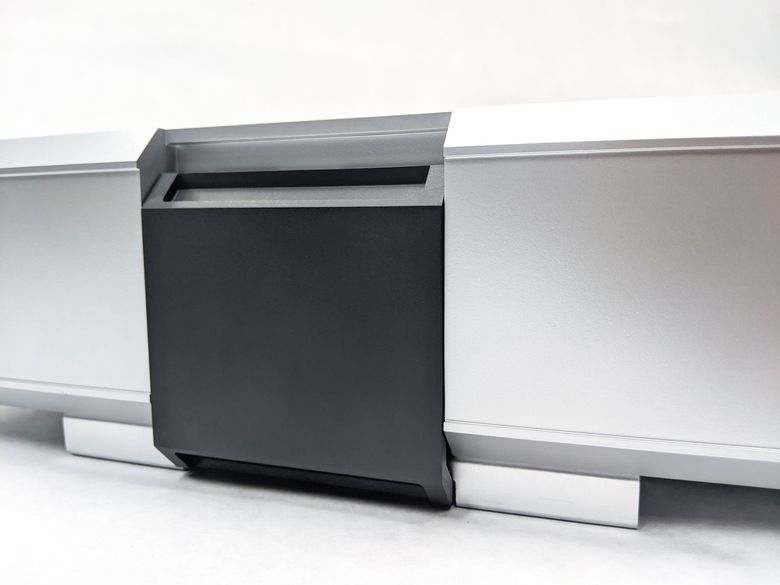
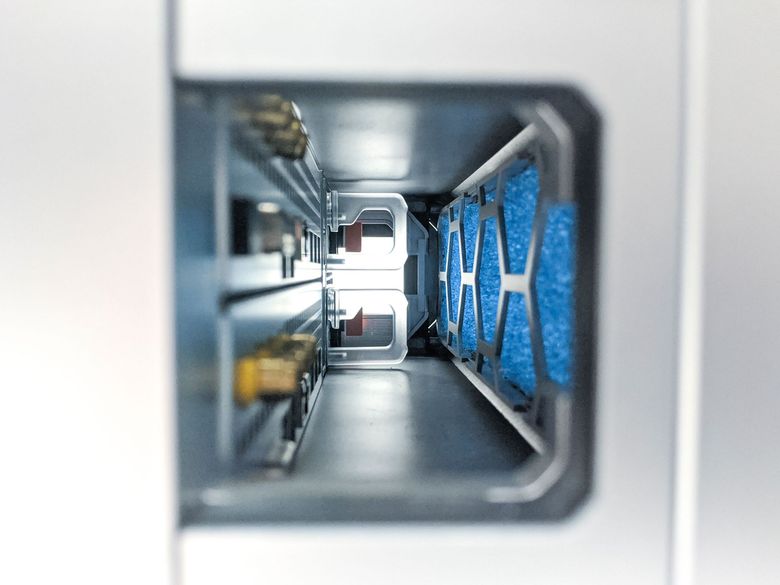
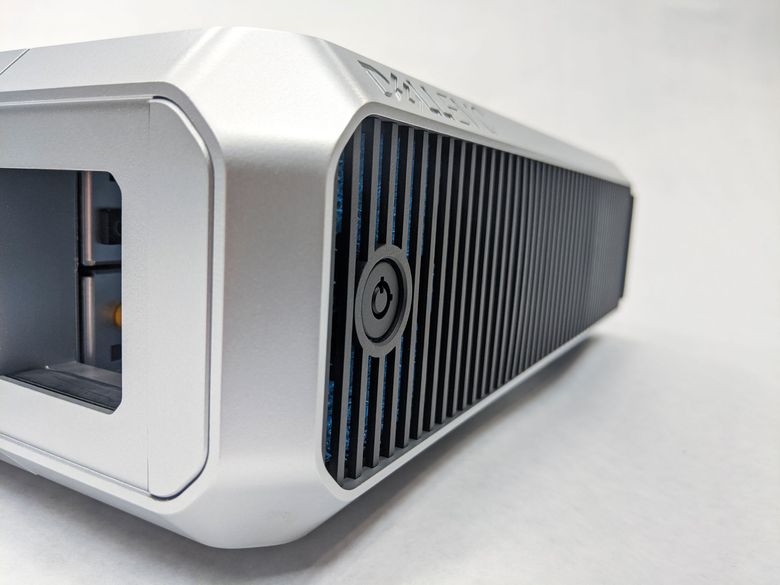
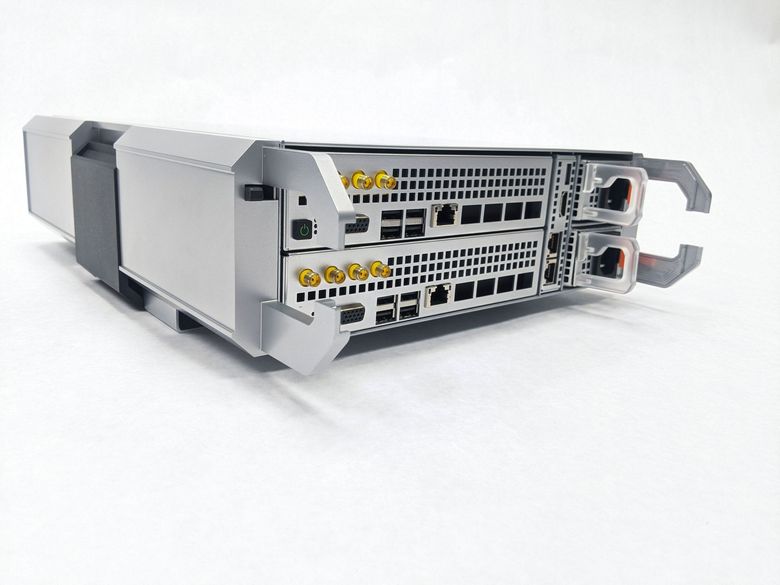
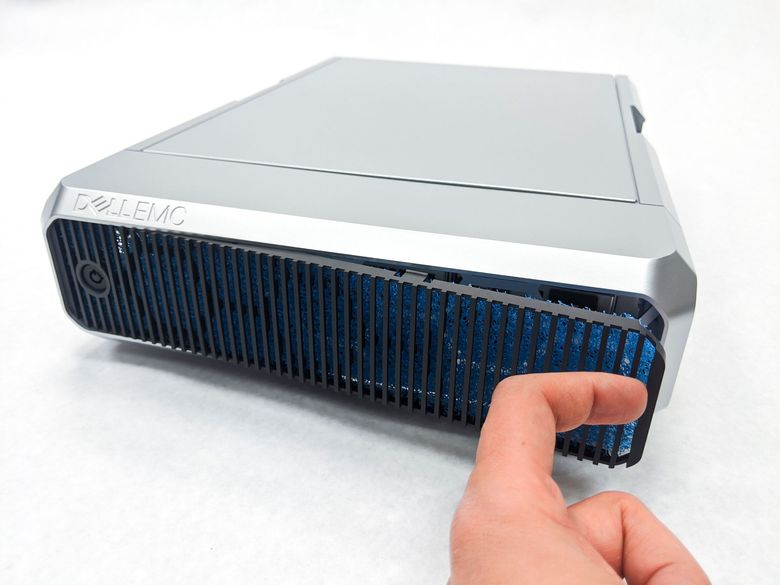
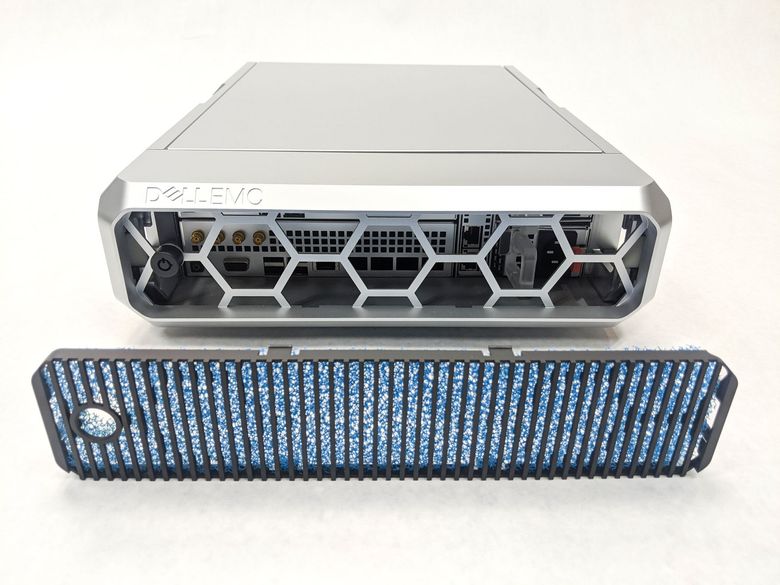
Working on the XR4000z was a great opportunity to rethink how servers are physically deployed in the real world. Our team focused on creating a highly adaptable, compact chassis that could be stacked or mounted on walls and ceilings to fit the needs of small businesses. Earning a Red Dot Design Award was a wonderful validation of the collaborative effort we put into making this edge hardware both versatile and physically secure.


initial model.
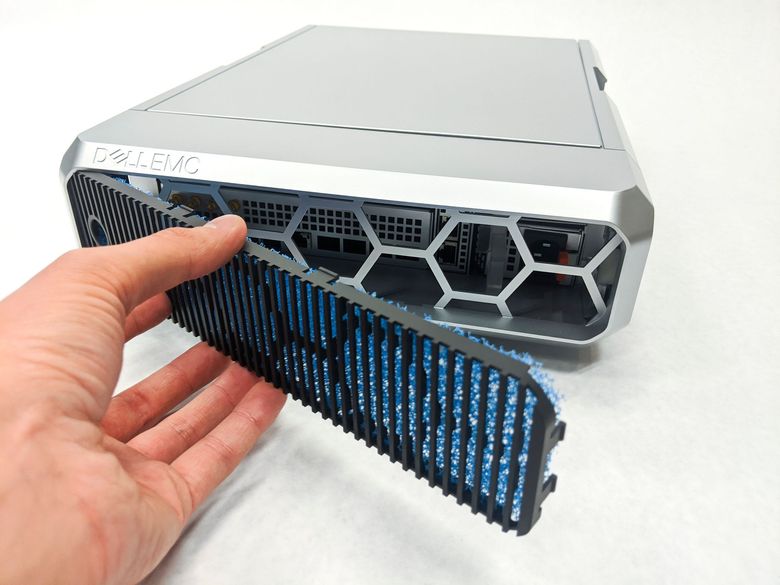
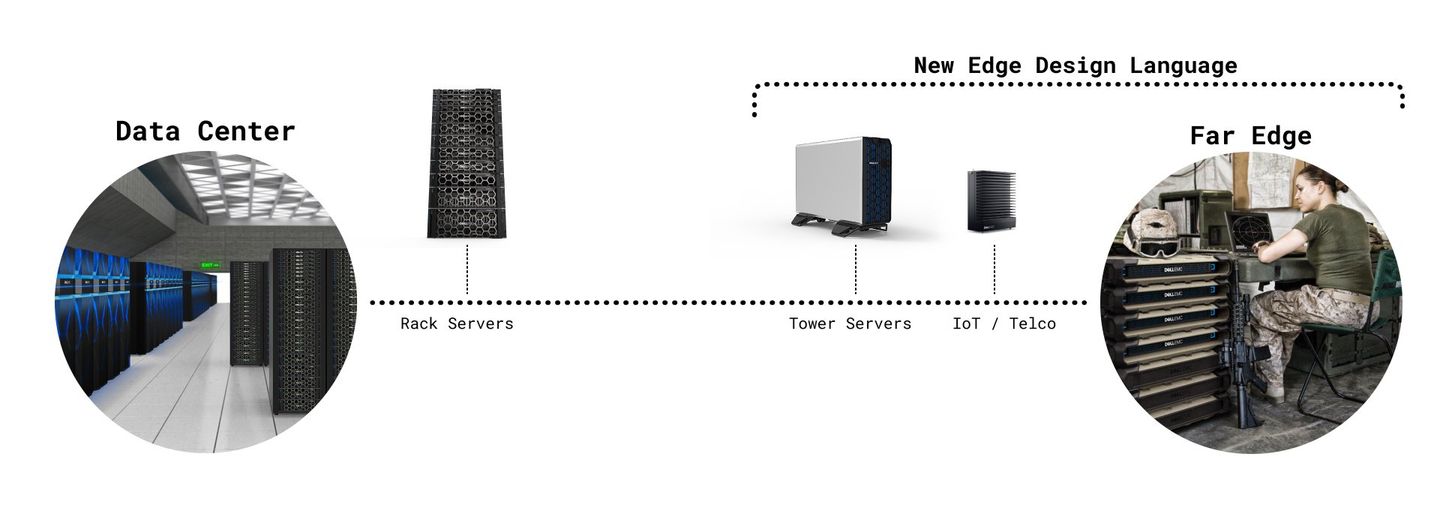
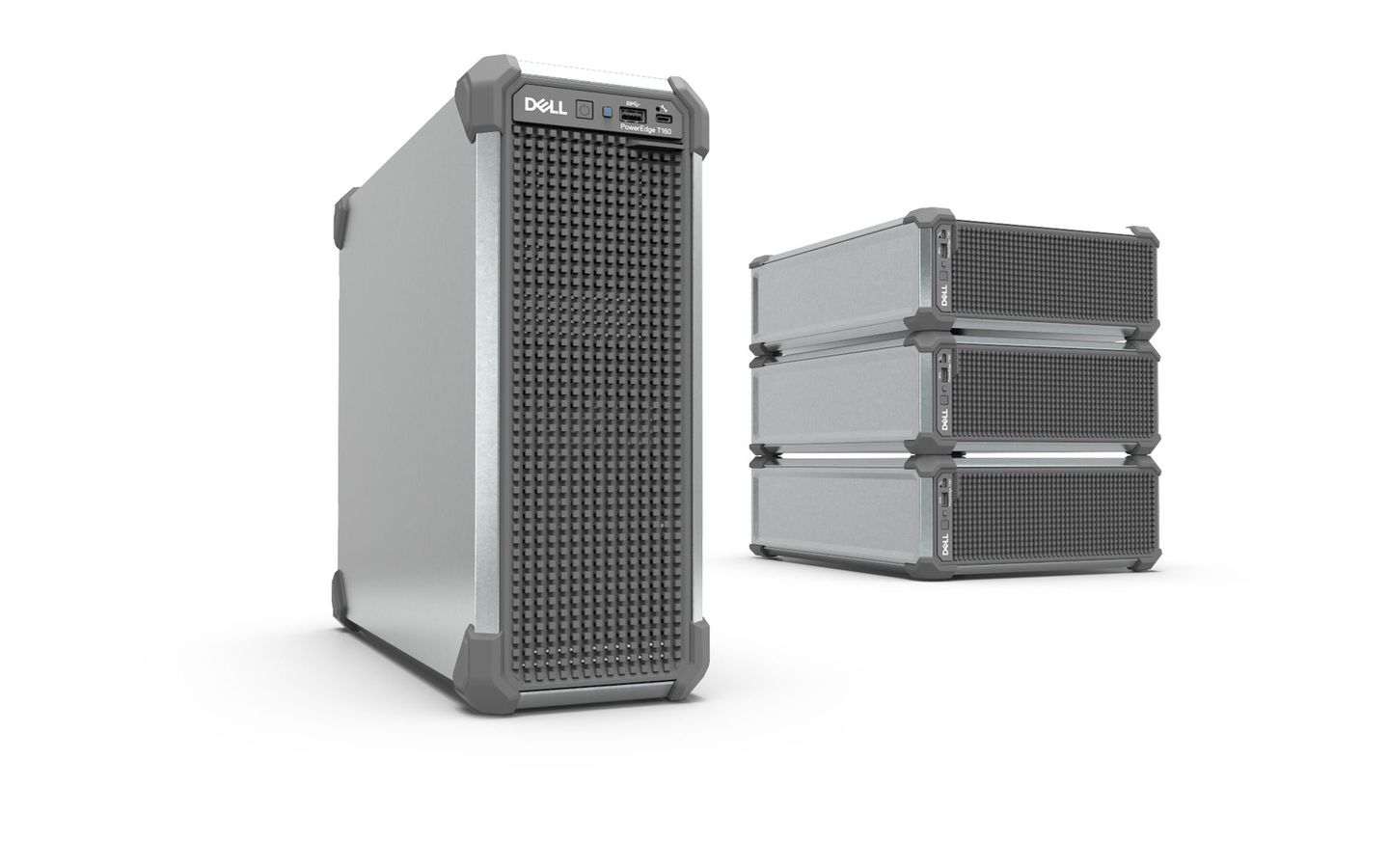
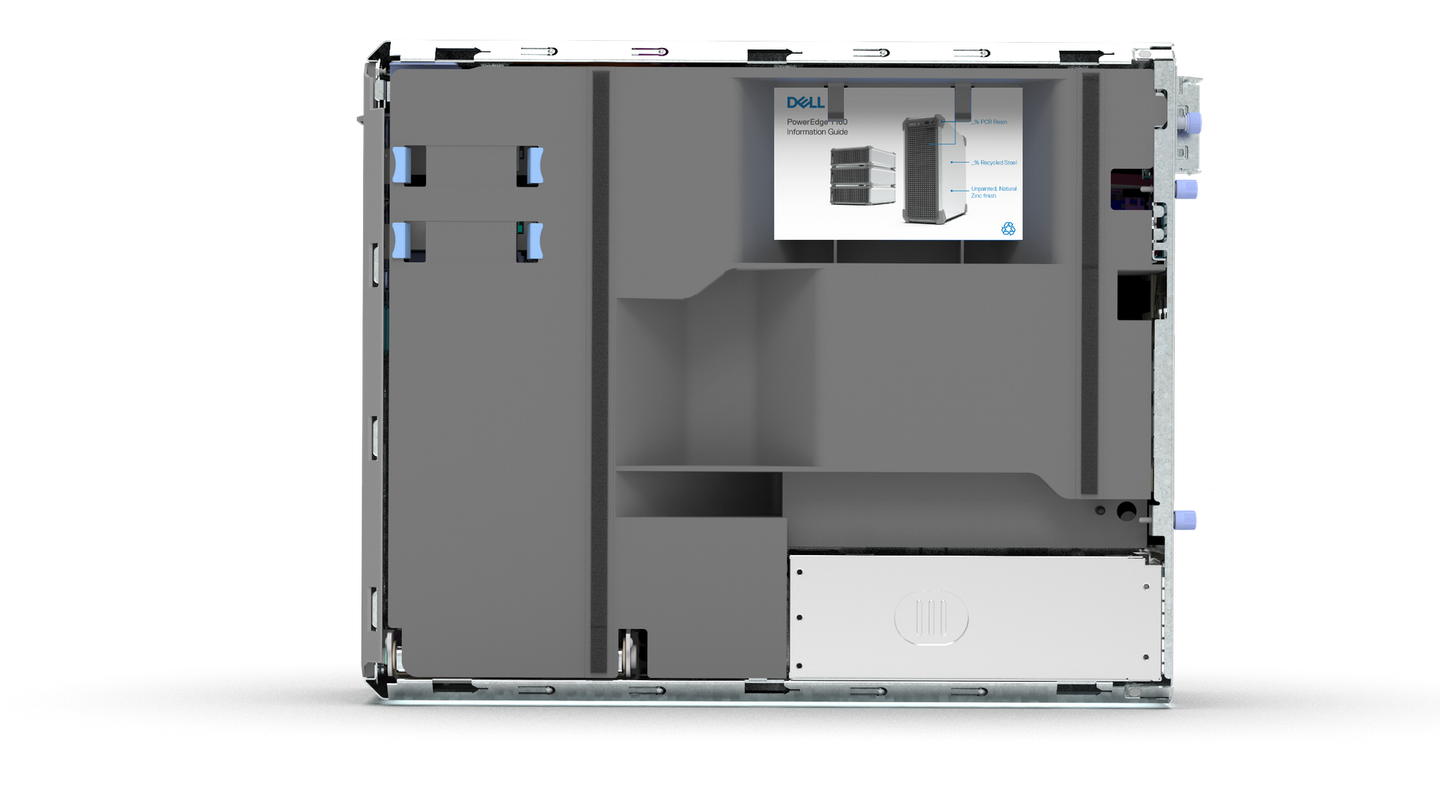
As Dell Technologies shifted its focus toward edge computing, the T550 tower server was introduced to physically represent this transition. Acting as the Industrial Design lead on the platform, I had the opportunity to take over the strong early conceptual work started by my team. We worked to refine this new design language and successfully carried the server through to its recent launch. It represents an exciting evolution in our portfolio that I am proud to have contributed to.
Venting Development
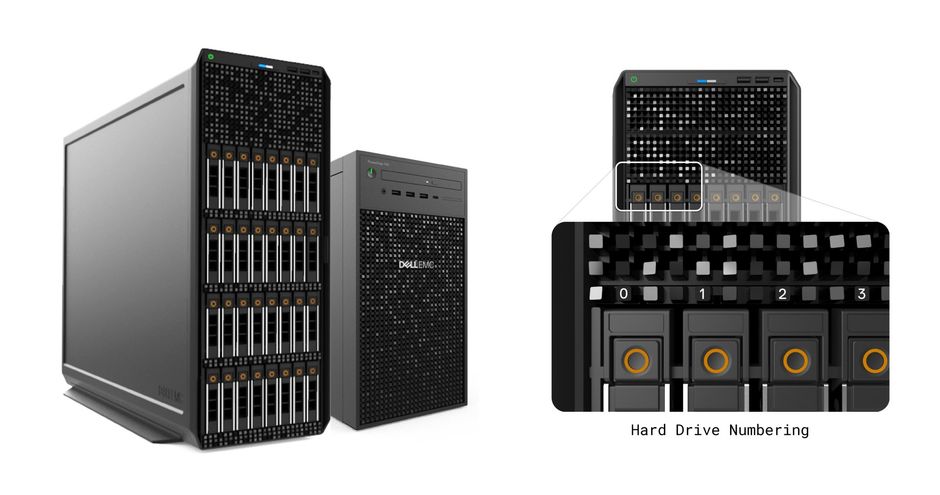
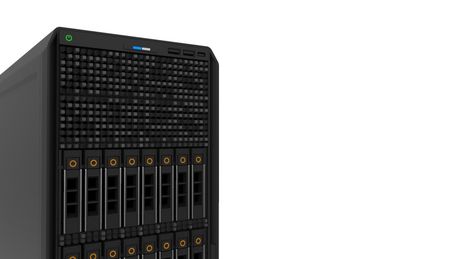
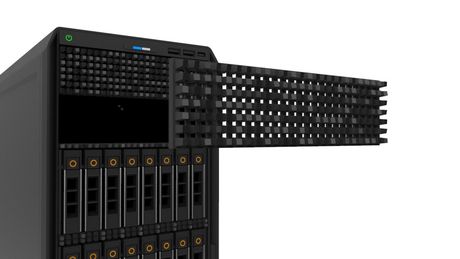
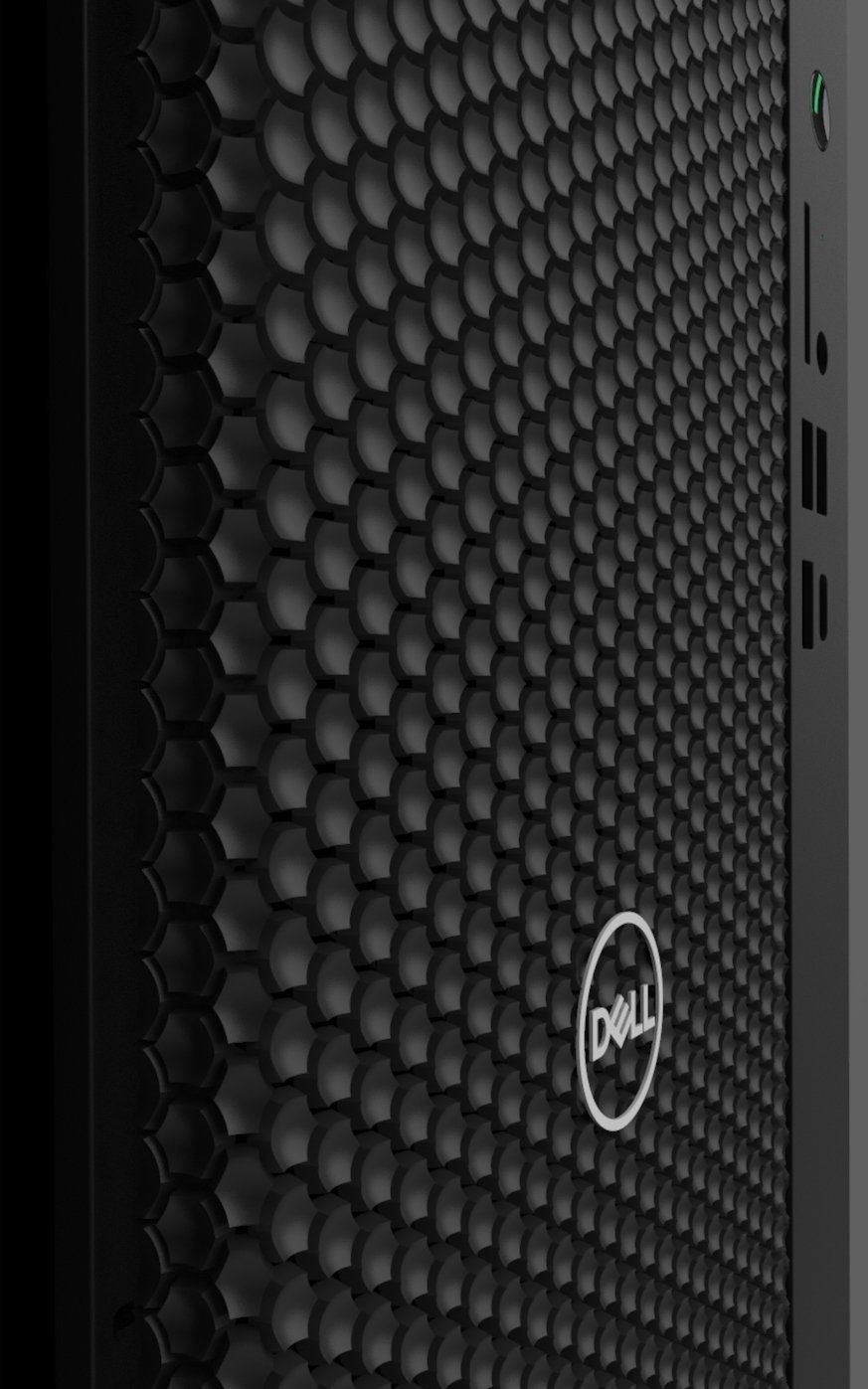
Multiple configurations introduced a modular design. This flexibility came with many parting lines. We decided to mask these imperfections within the shadows of a new venting design.
Mobility

The PowerEdge T550 is the largest tower offered and can weigh 120kg. Creating a system users could move easily was a priority for me and our design team. We made a weighted mockup with removable handles and a working caster kit to show marketing and engineering the need for easy mobility.
tape storage.
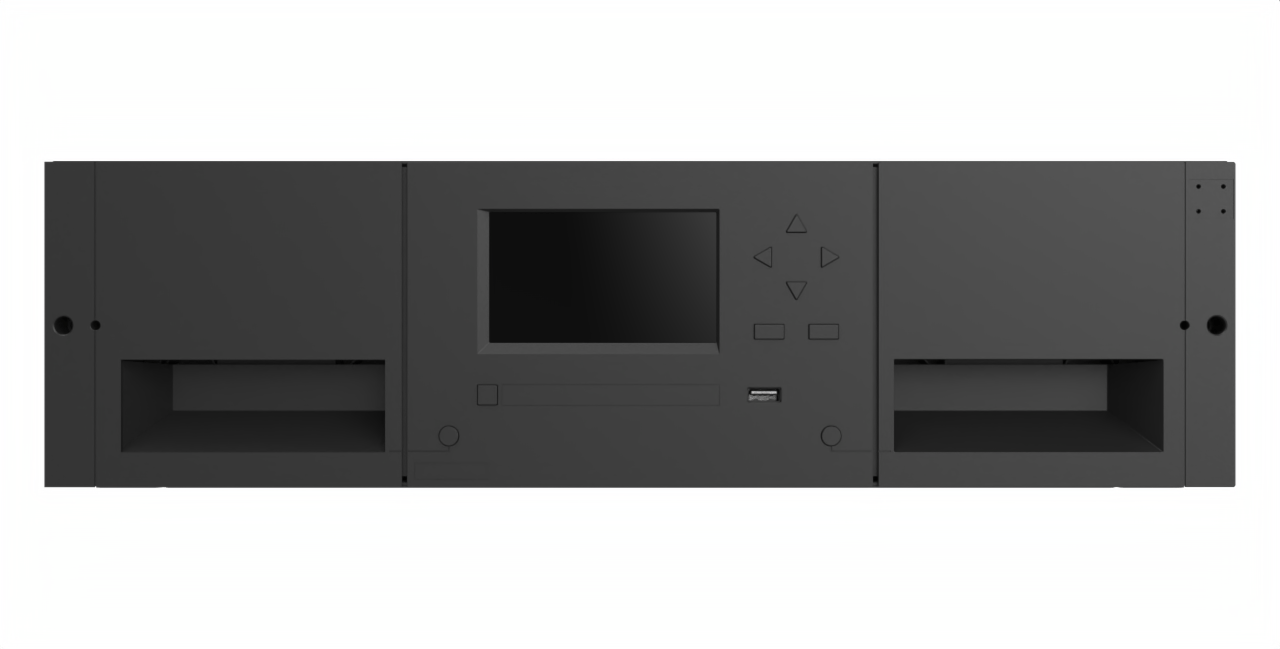
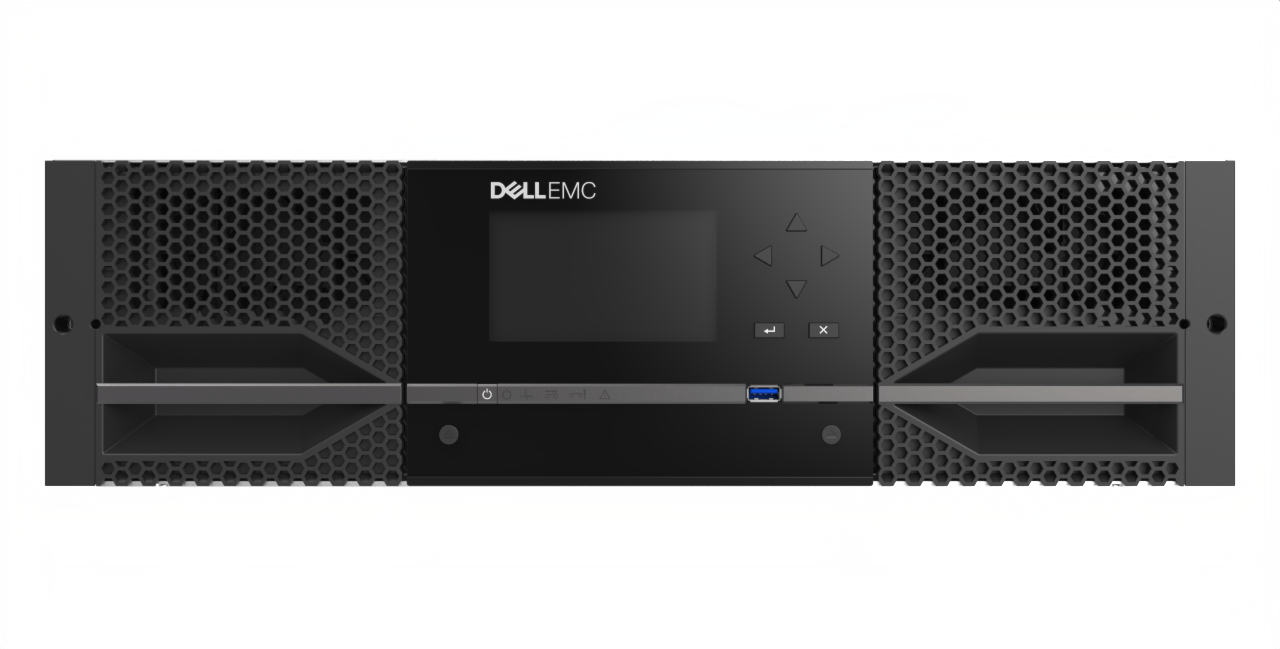
This design leveraged an existing tape storage head unit that needed to be re-designed with Dell DNA. There's a lot of these "light touch" products at Dell. This was one of my first experiences working with an outside ODM. I integrated the hex perf that was prevalent on our existing storage devices making small tweaks to the size and pitch so that everything terminated at the edges and still blended with our existing products. I incorporated a handle that tied the left and right bays together with the center console.
encoded forms.
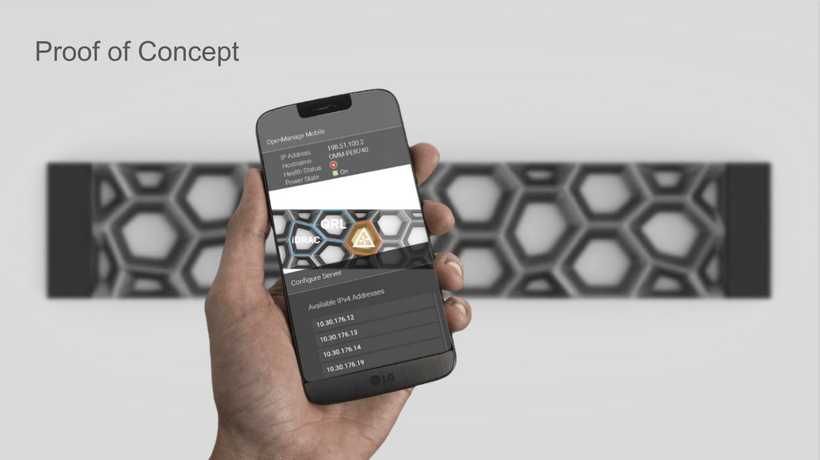
While discovering and cataloging devices on a data center network is a straightforward digital process, anchoring them to their precise physical location has historically been a manual bottleneck. Tracking the specific room, aisle, rack, and U-height for every piece of deployed hardware requires tedious and error-prone manual entry.
"Encoded forms" was designed to solve this disconnect by automating the spatial mapping process. By bridging the digital-to-physical divide, this solution not only eliminates manual data entry but also creates a foundation for augmented service information, allowing technicians to instantly visualize and locate hardware within the physical space.
SXSW 2020 Innovation Awards : Category XR
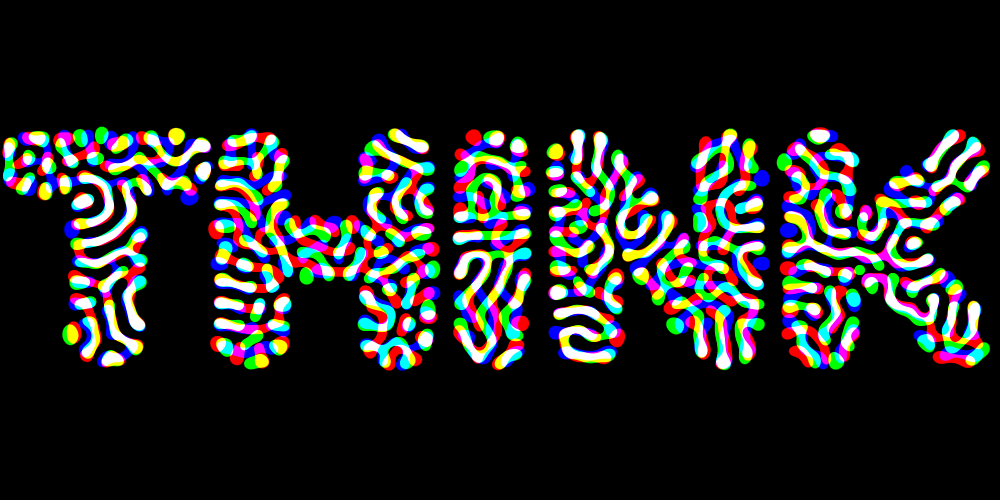
The core of this project was merging our current design language with algorithmic generation to scalably produce thousands of unique, assembly-compatible parts. After building the proof of concept in Grasshopper and producing 3D printed prototypes, the challenge was tracking and identifying each unique variation.
To solve this, we partnered with a machine learning team to fine-tune an AI image model. By training the computer vision system exclusively on our algorithmically generated 3D renderings, we successfully bridged the digital-to-physical gap. The resulting model is able to scan and recognize the real-world physical 3D prints with over 90% confidence.
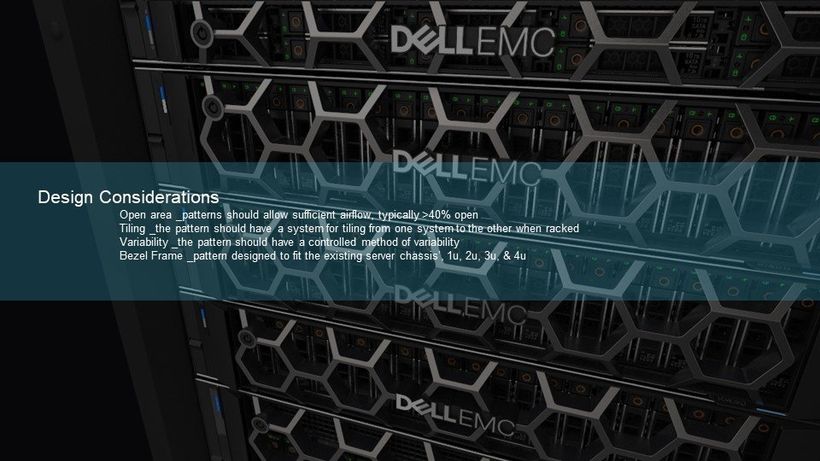
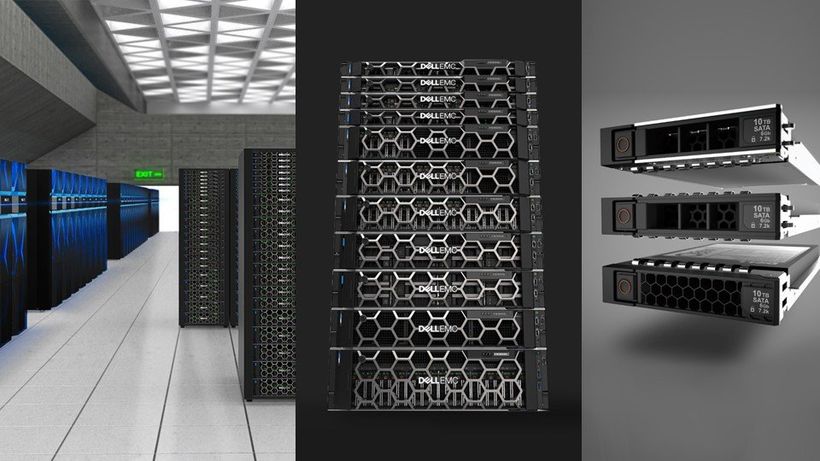
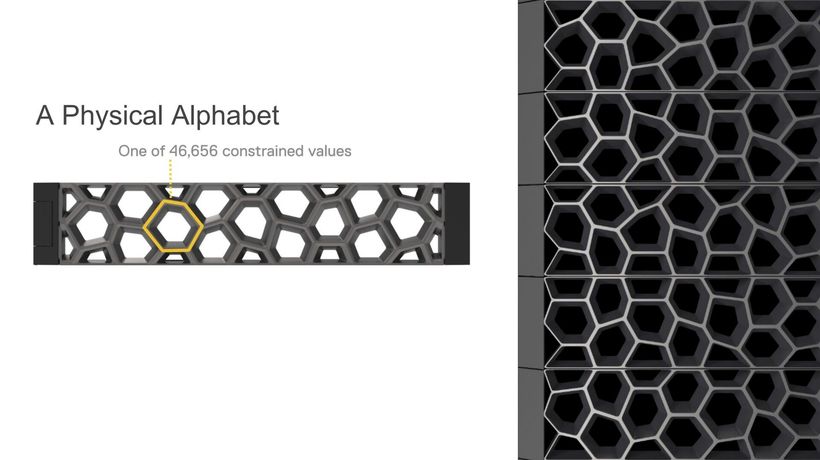
algorithmic modeling.
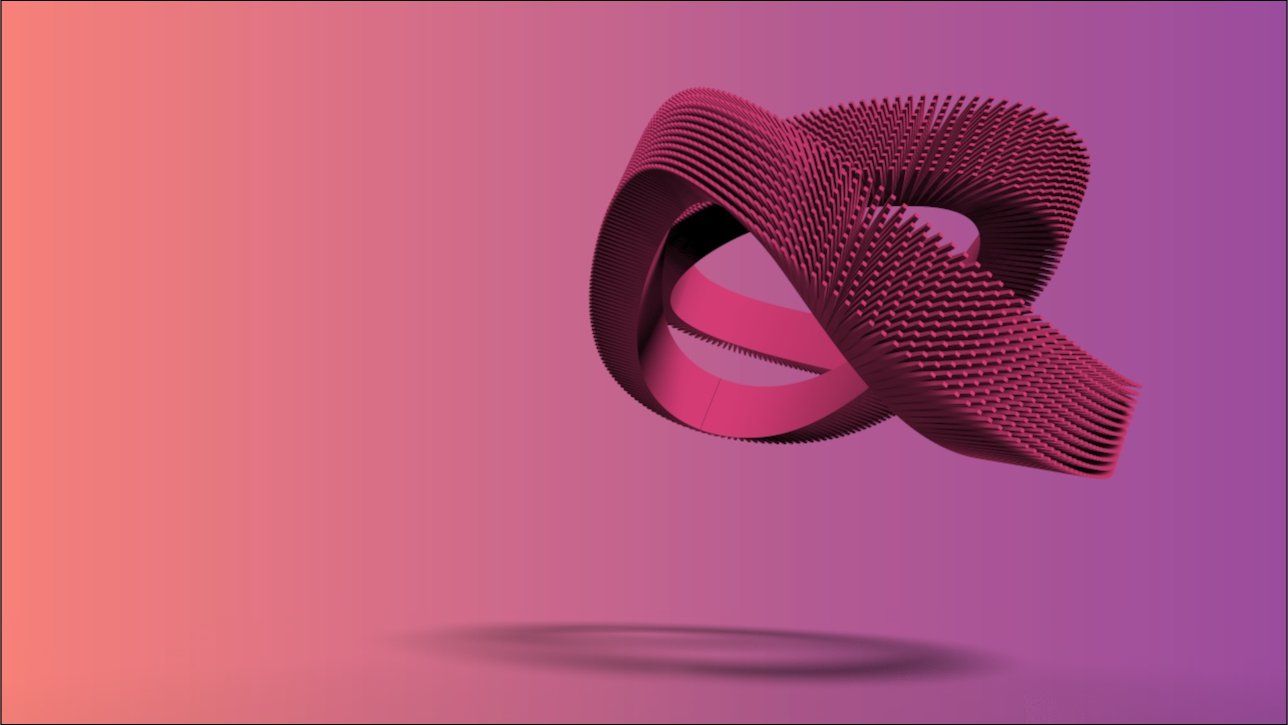
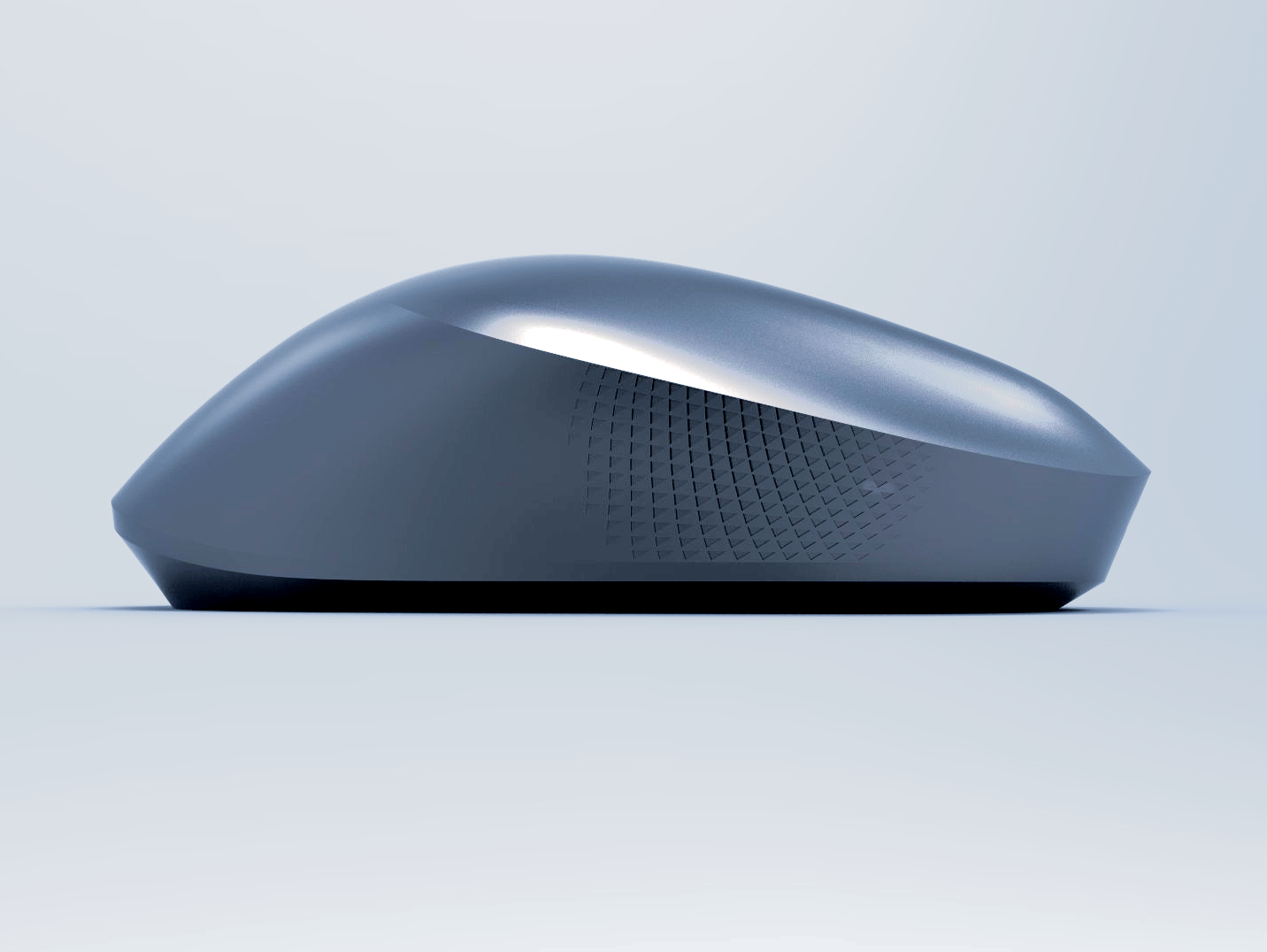
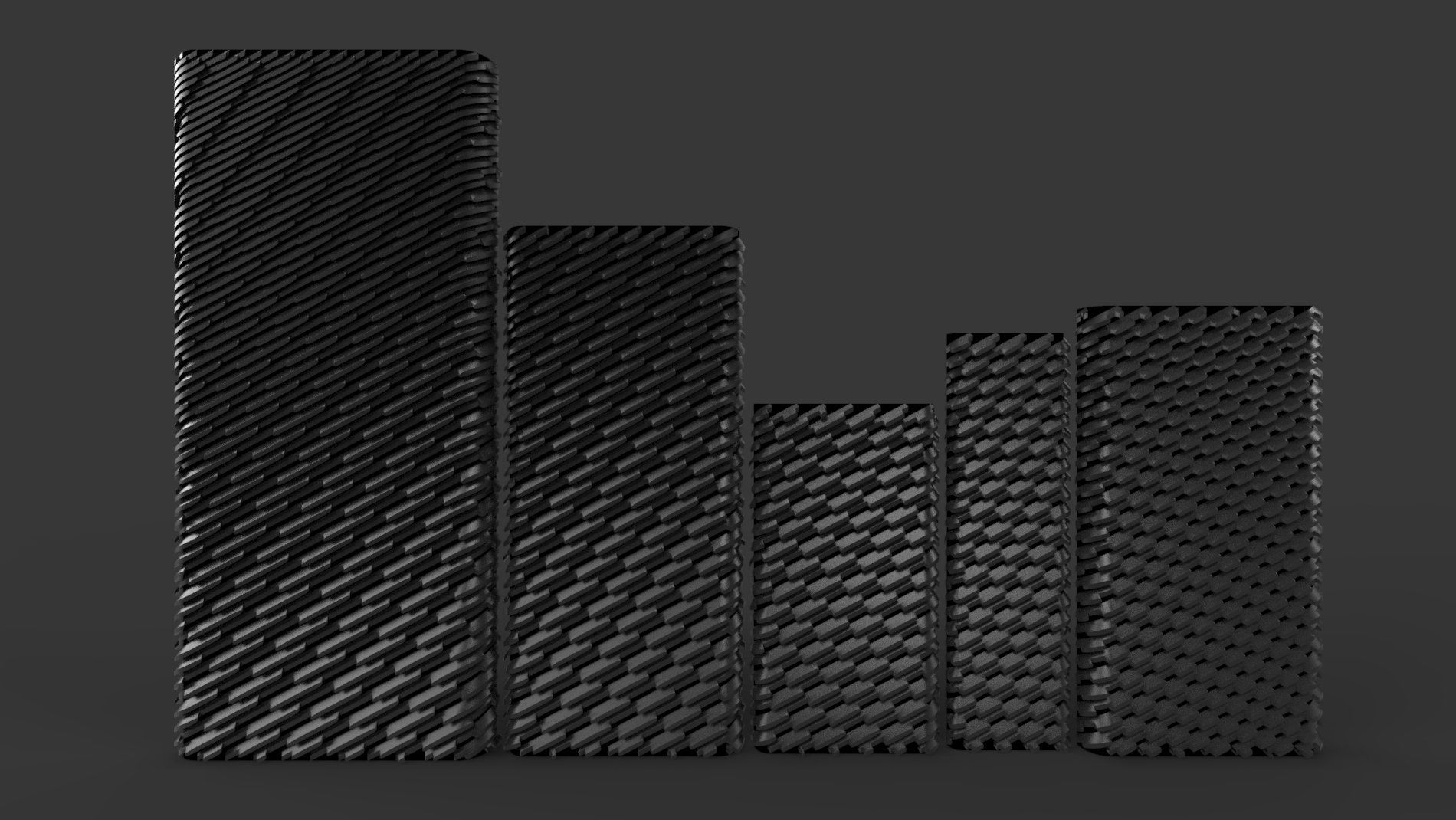
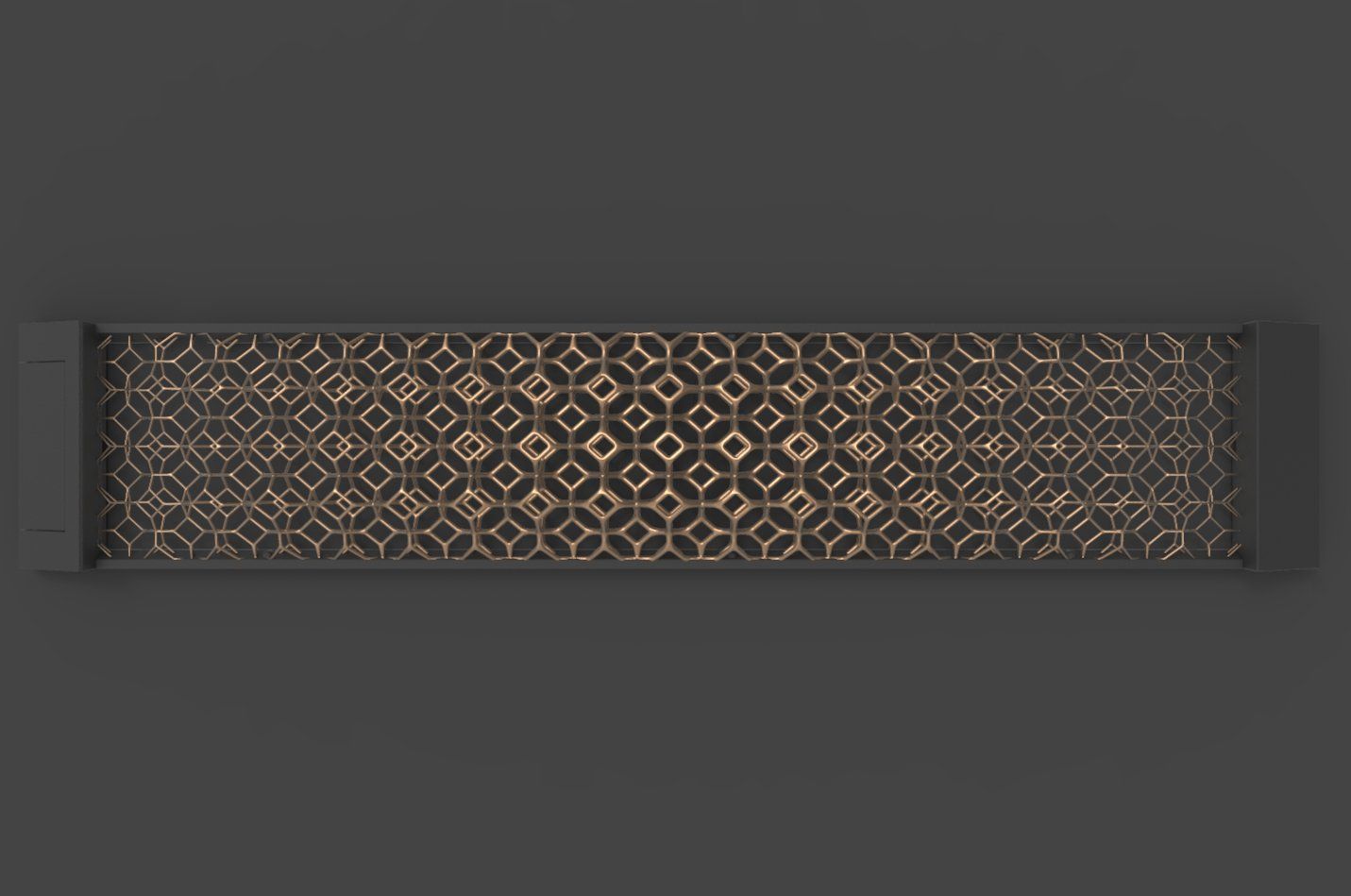
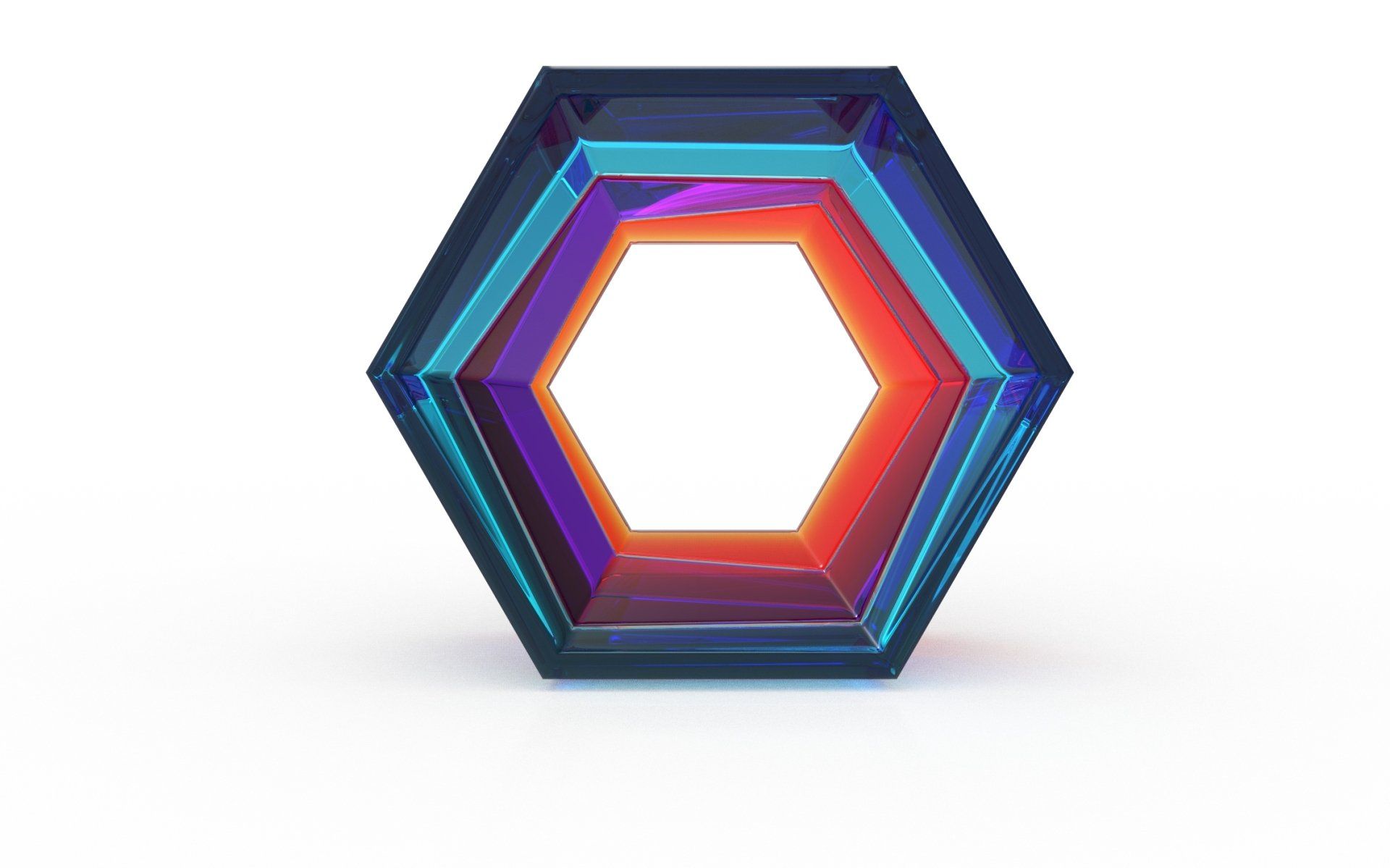
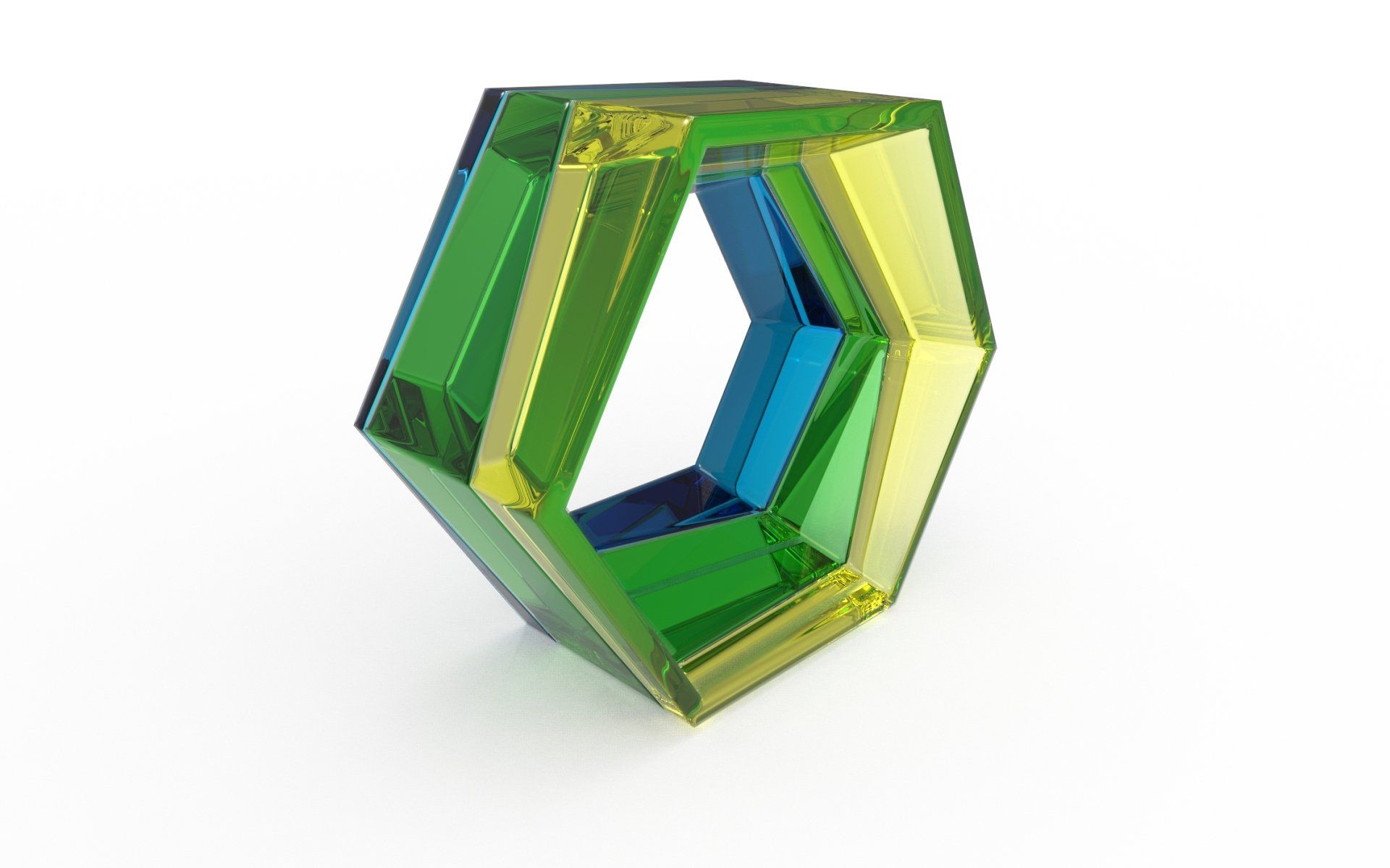
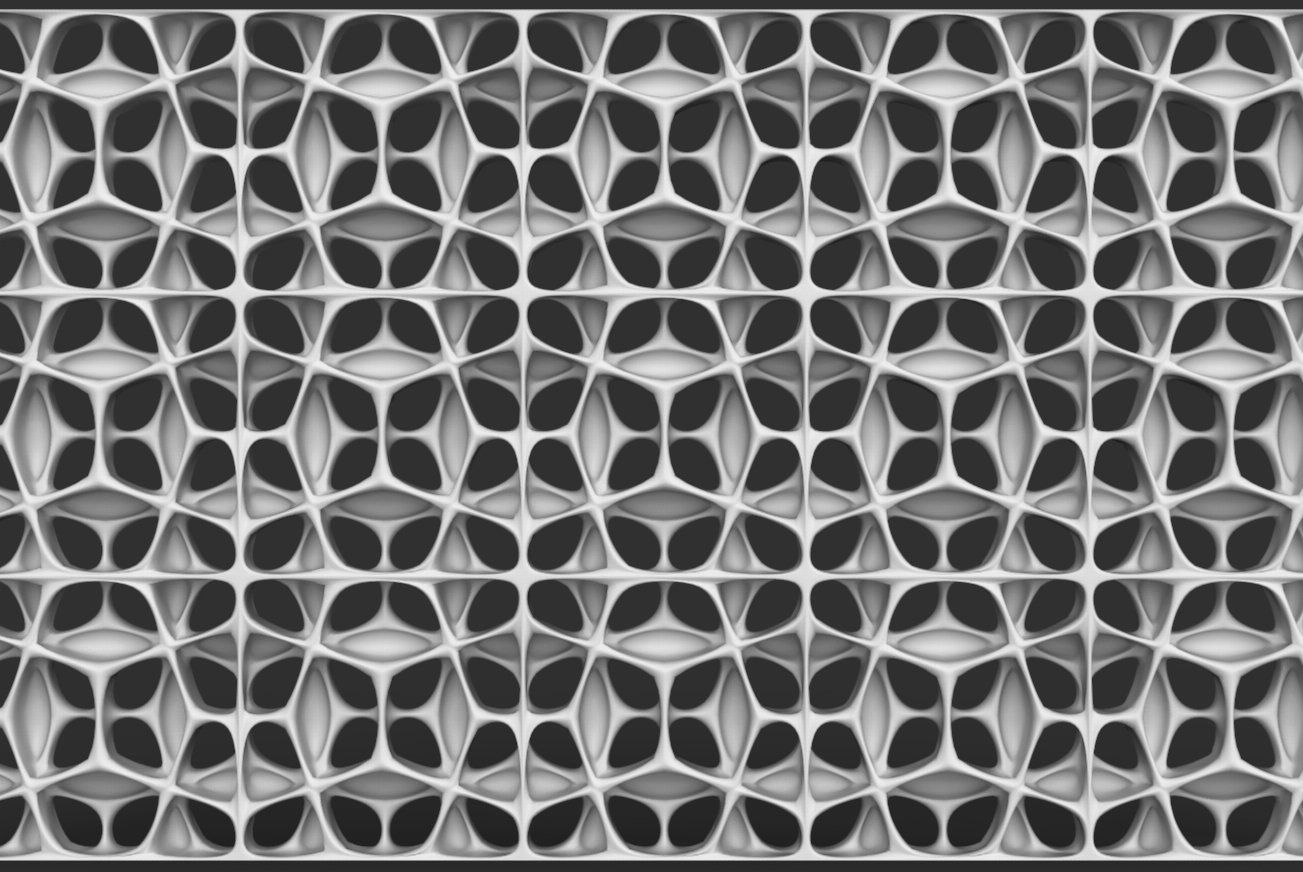
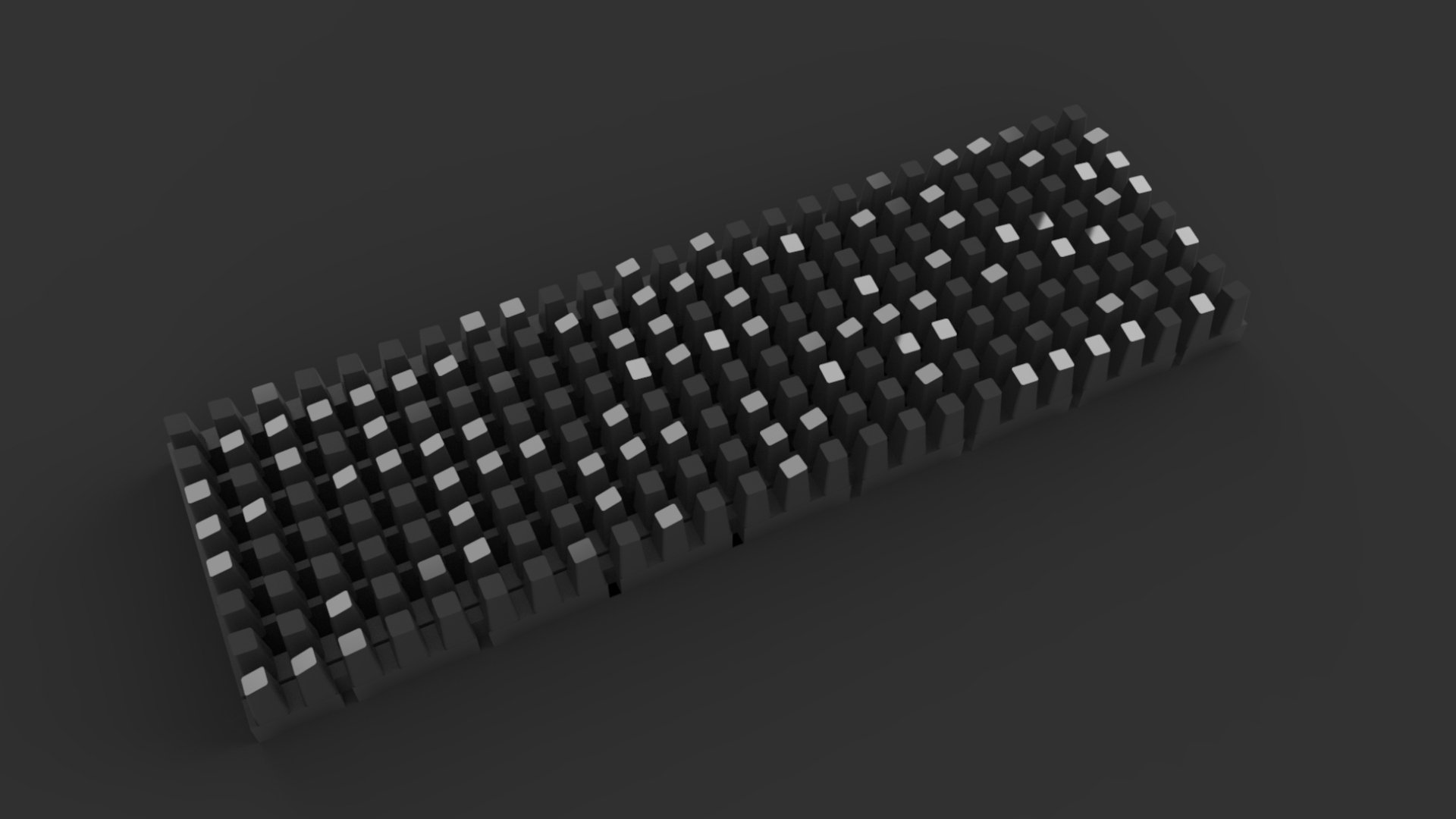
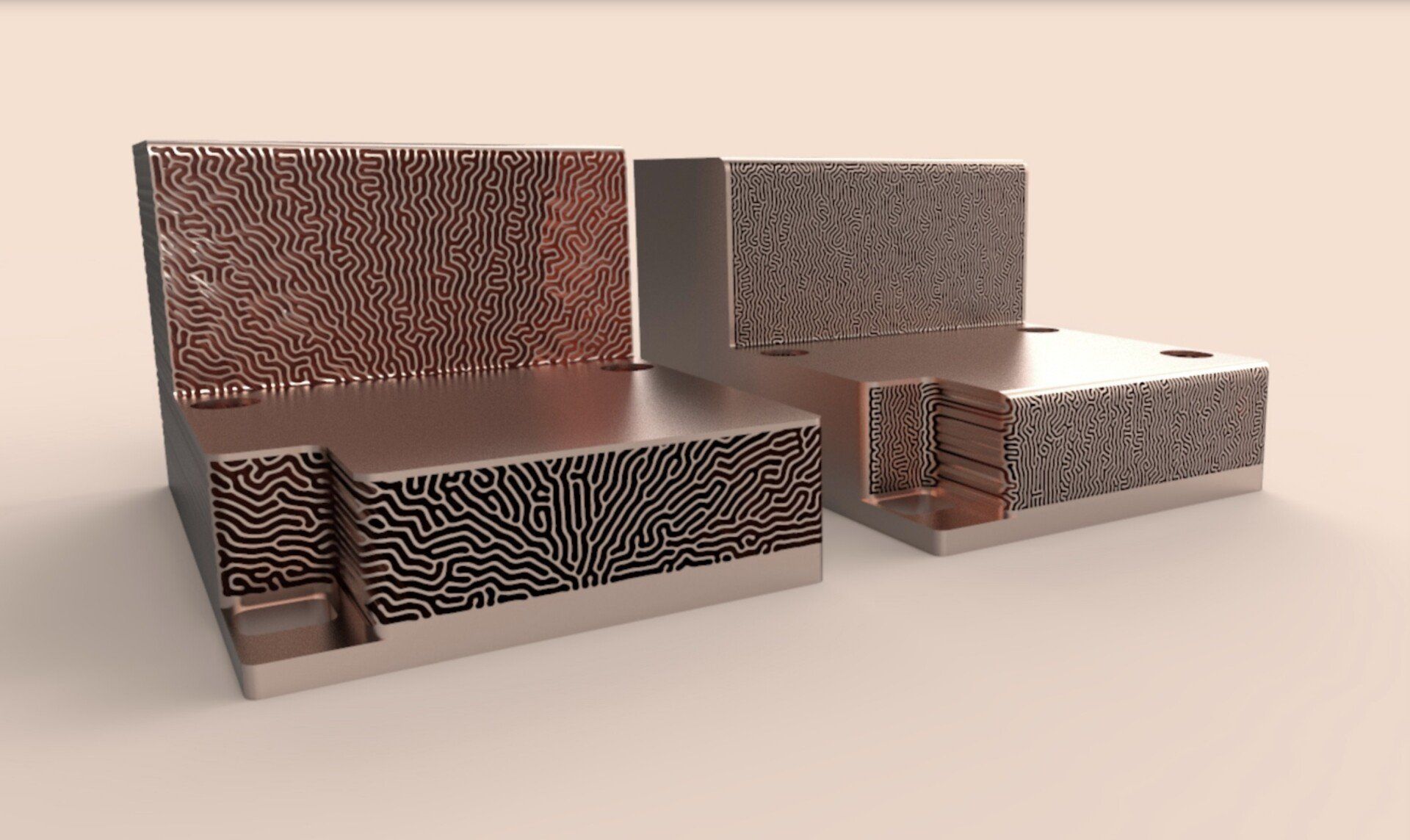
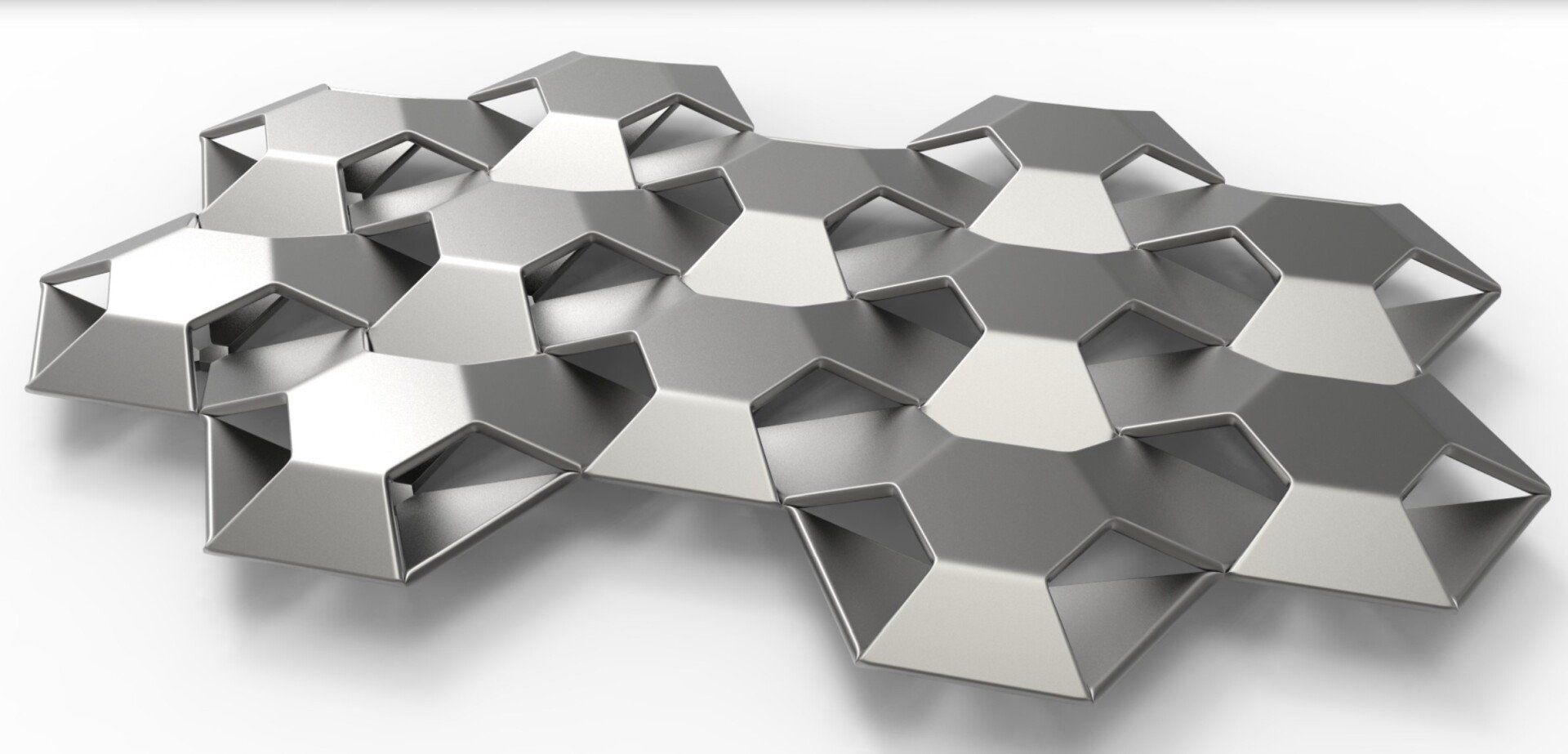
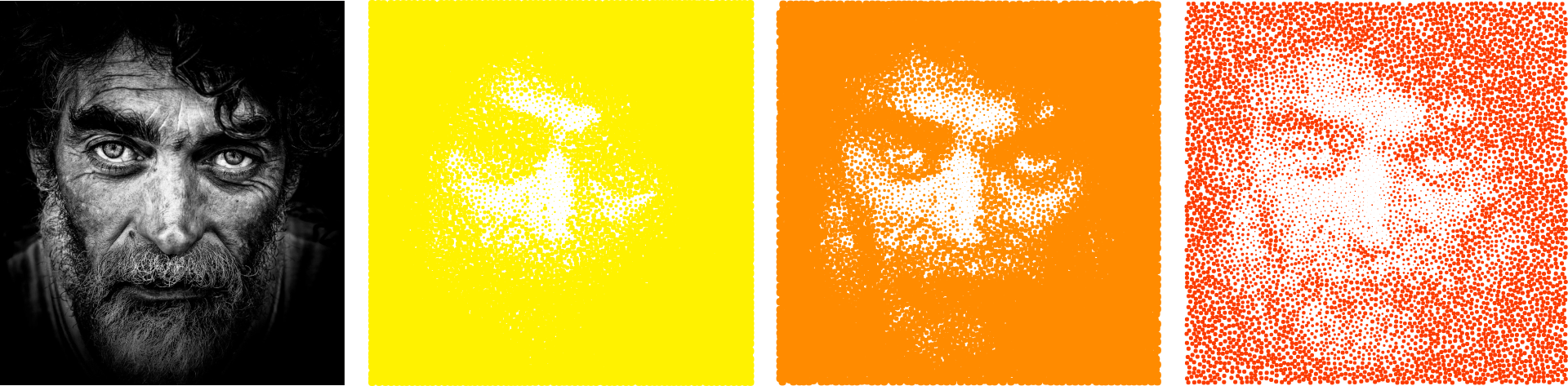
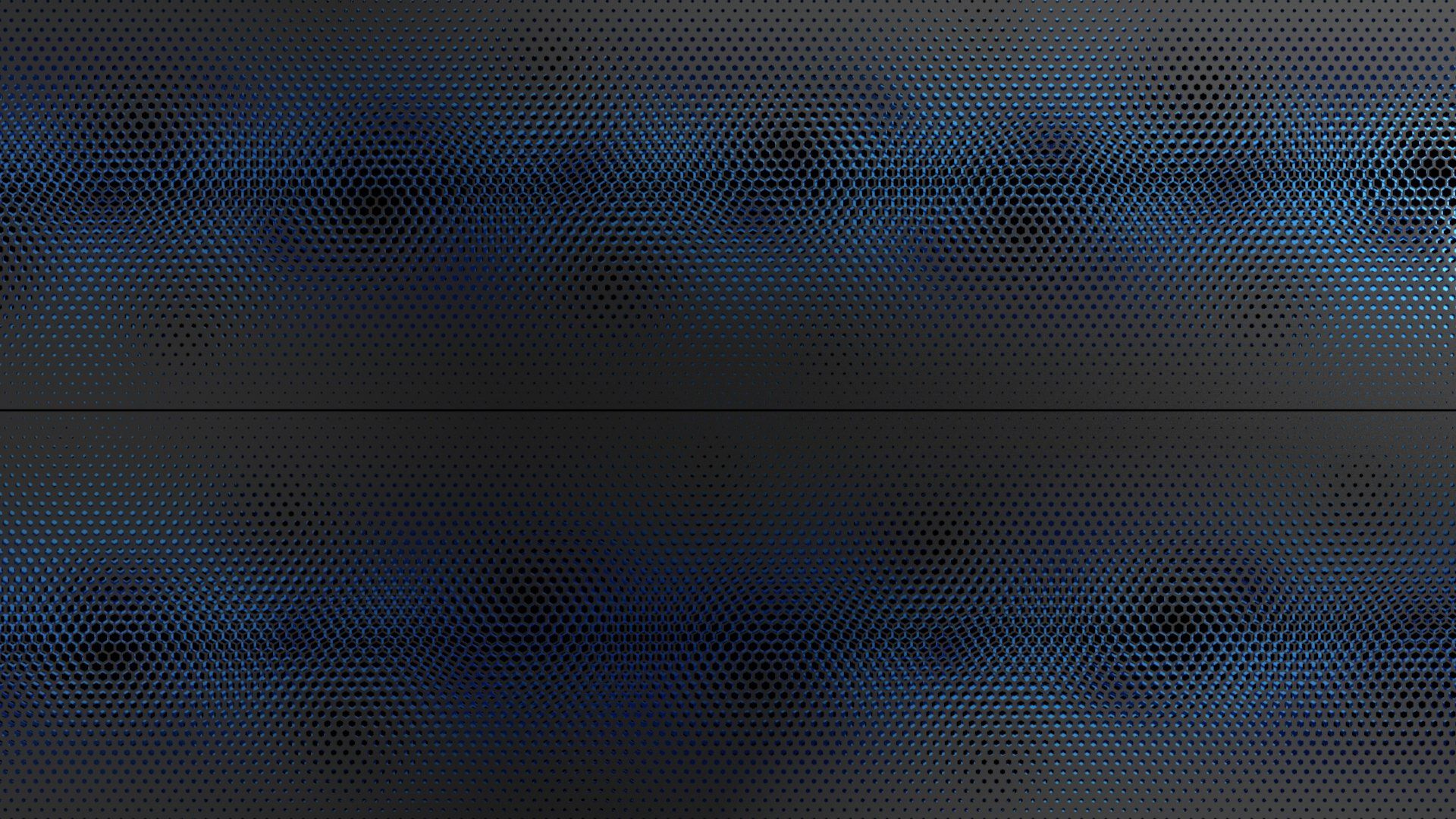
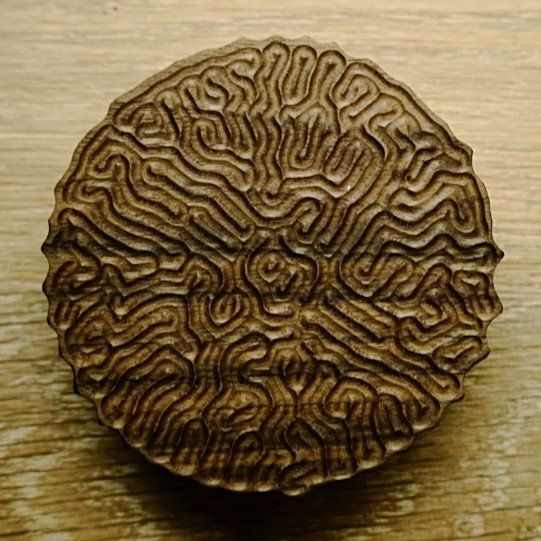
Grasshopper is the leading software for algorithmic modeling in Industrial Design. Learning it opened my capacity to develop new patterns, textures, and intricate geometry. I became a subject expert at Dell and taught several classes at Dell's Taiwan and Singapore design centers. It was a great experience solving complex CAD problems and seeing what all the different teams were working on. There were several concepts that took team members days to create. We were able to iterate many versions of each concept in hours.
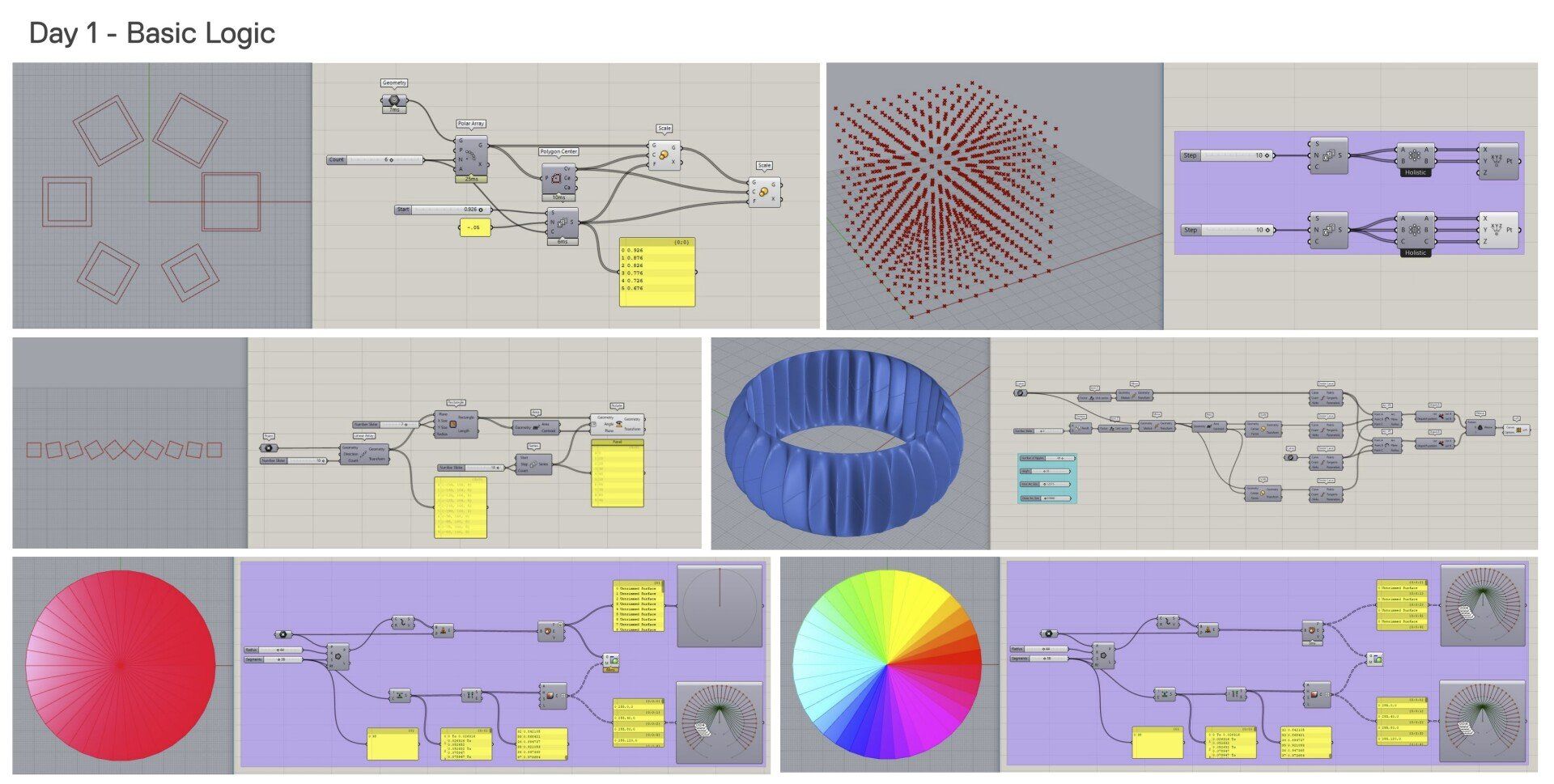
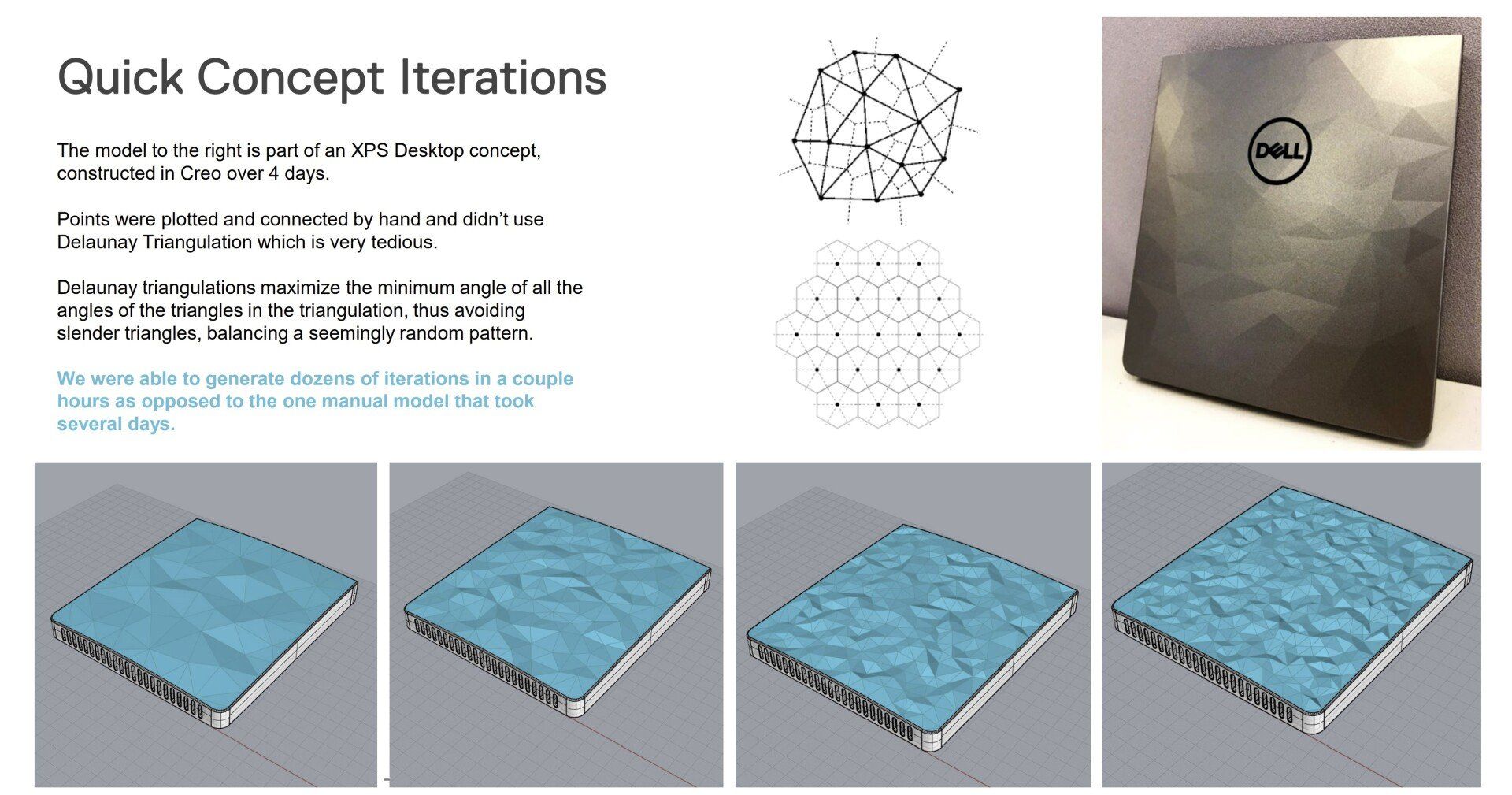
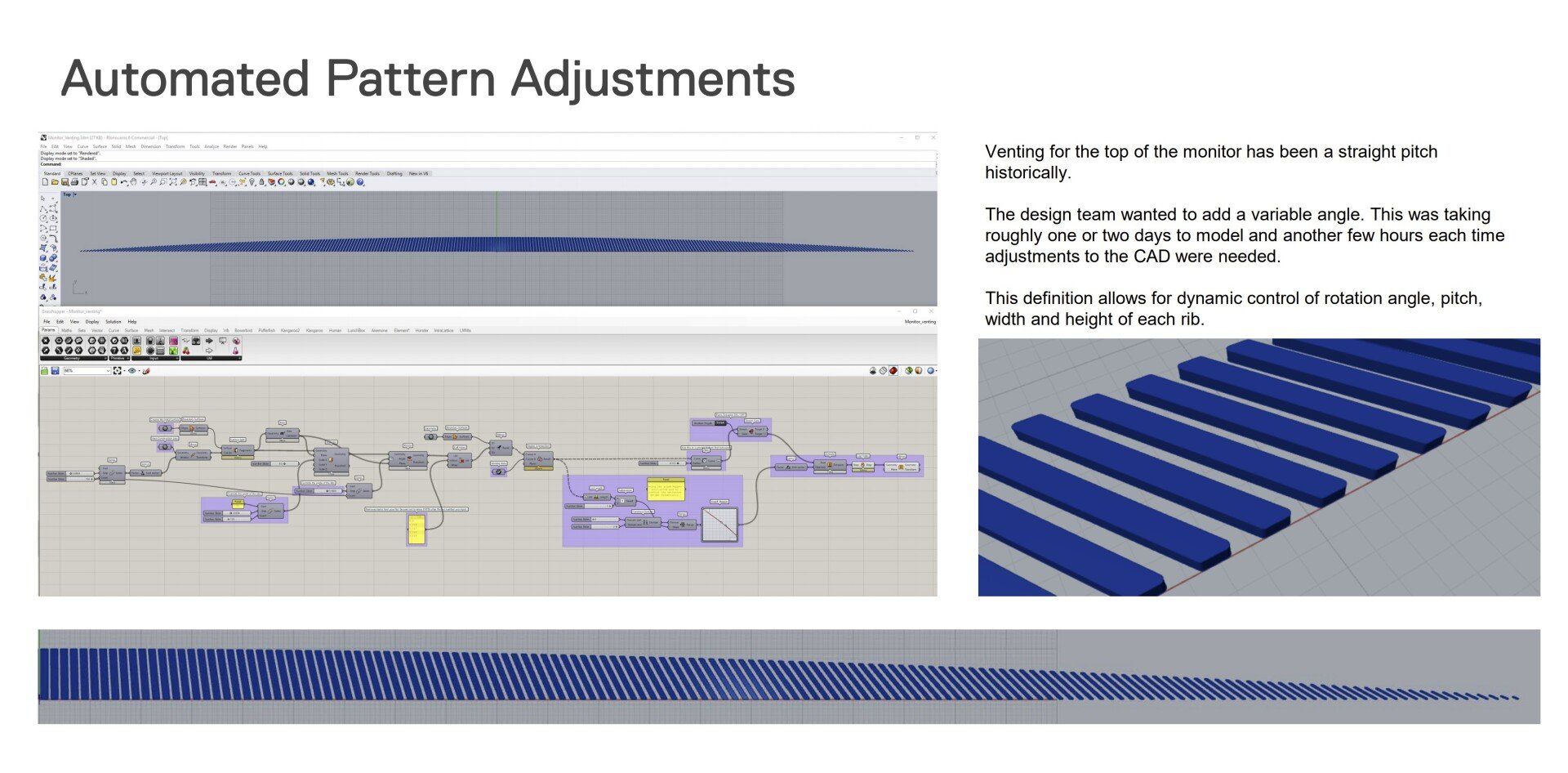
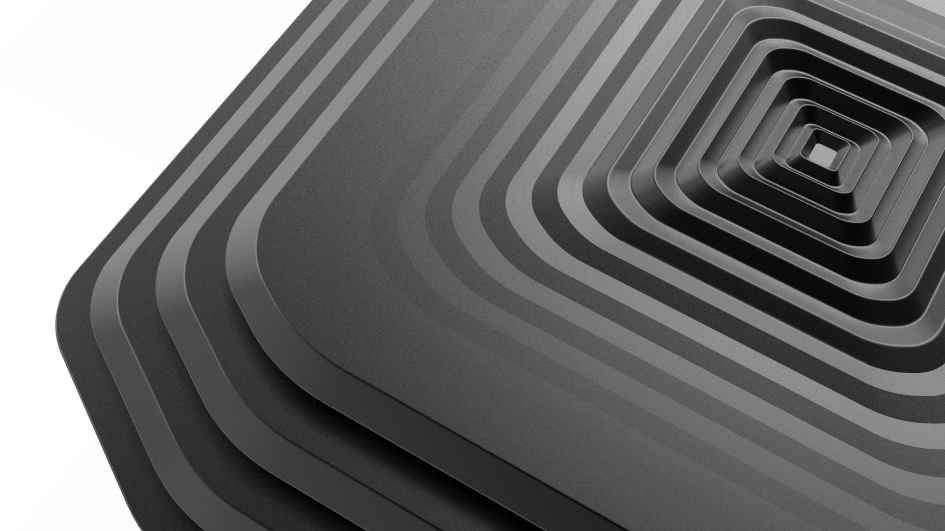
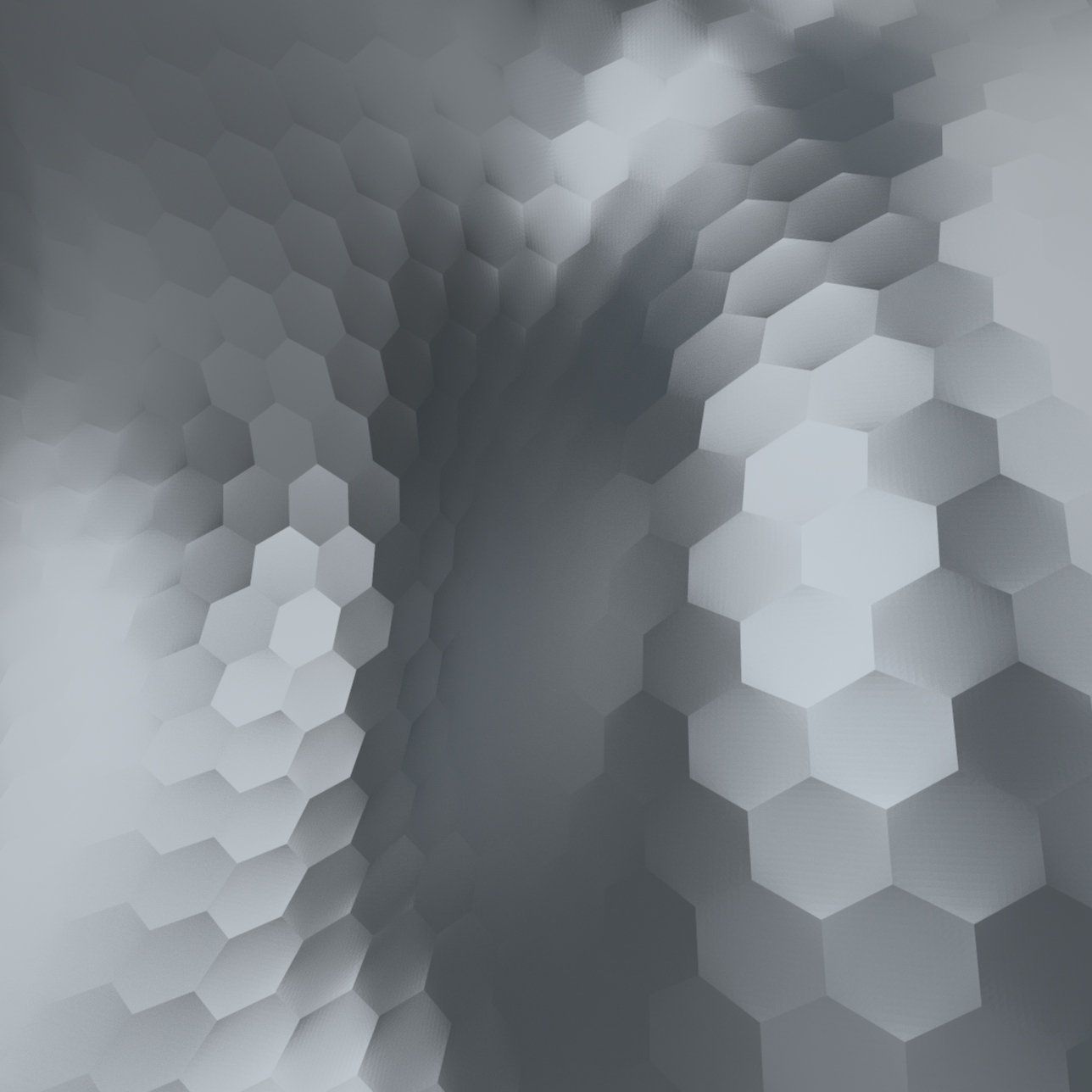
Sample of various concepts and experiments using Grasshopper.

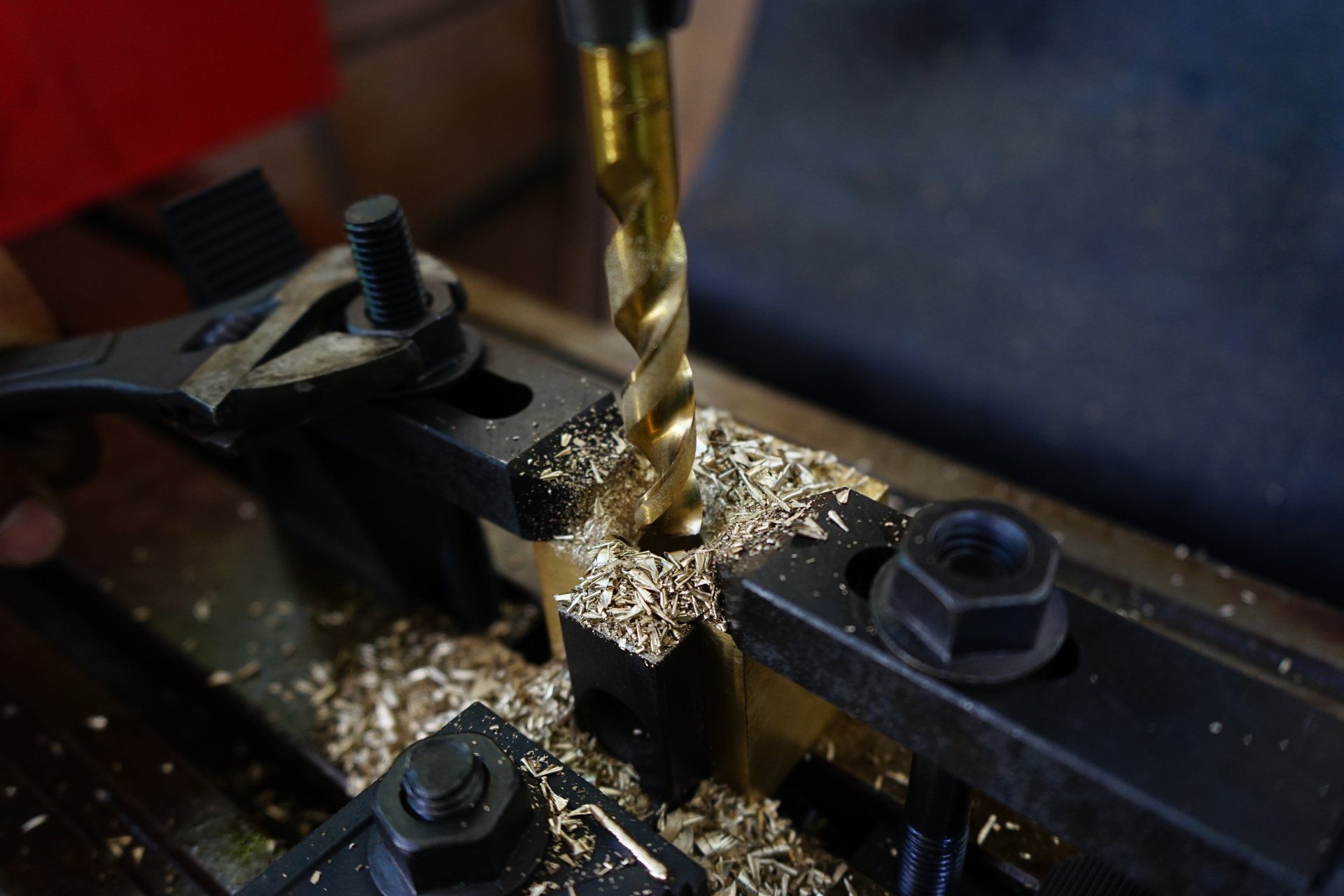
drafting table.
Challenge
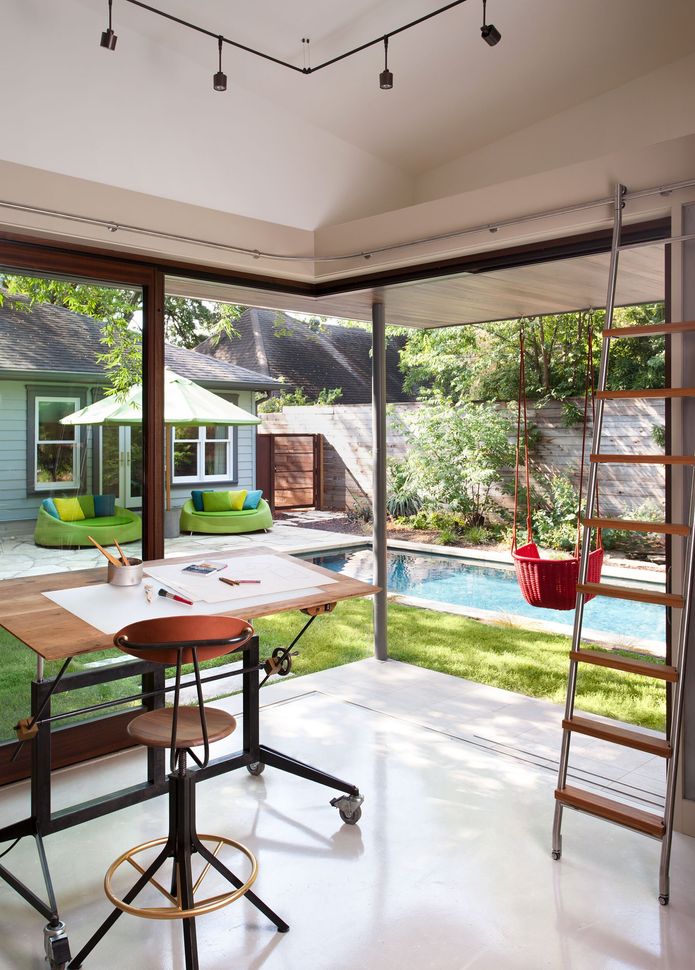
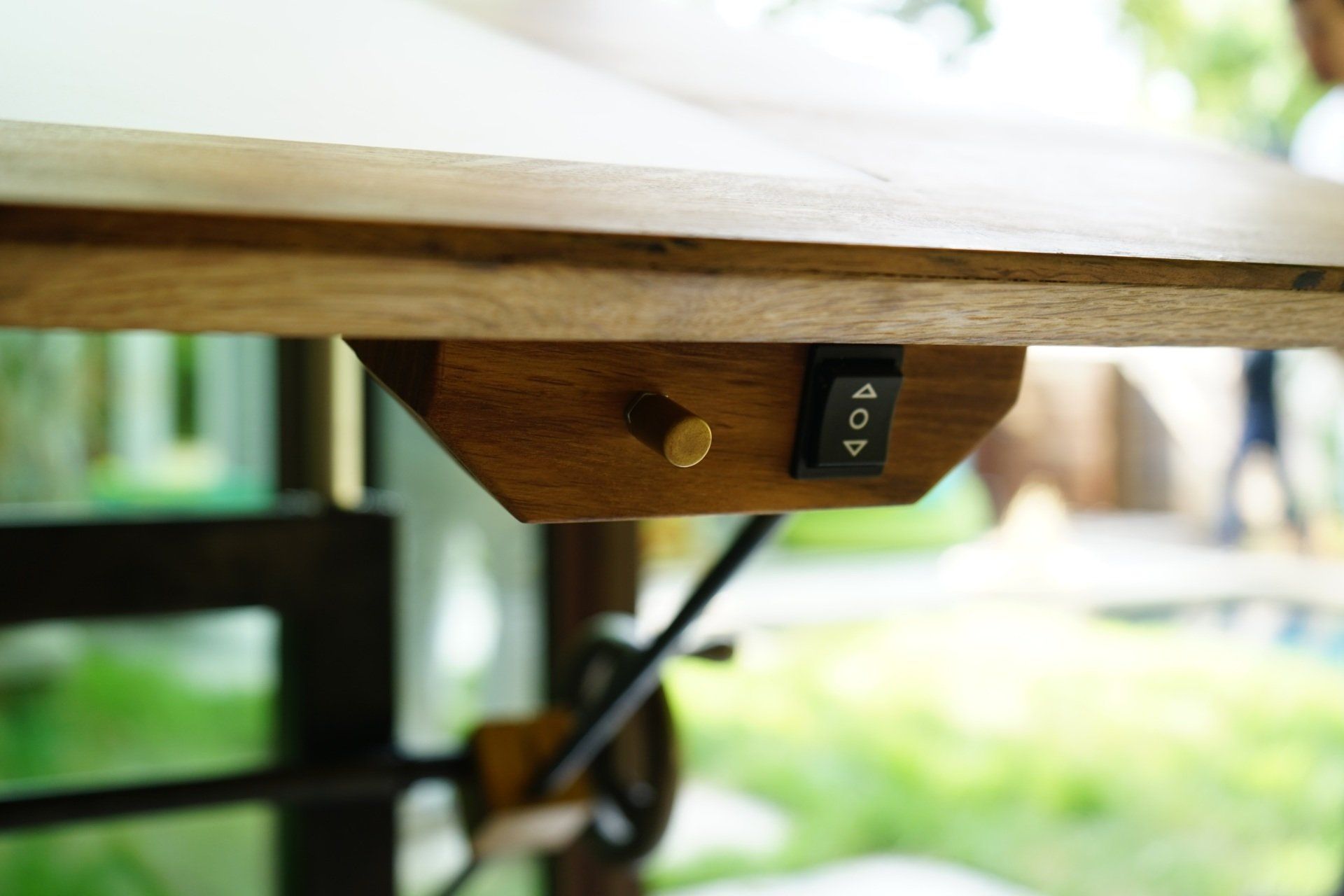
Features
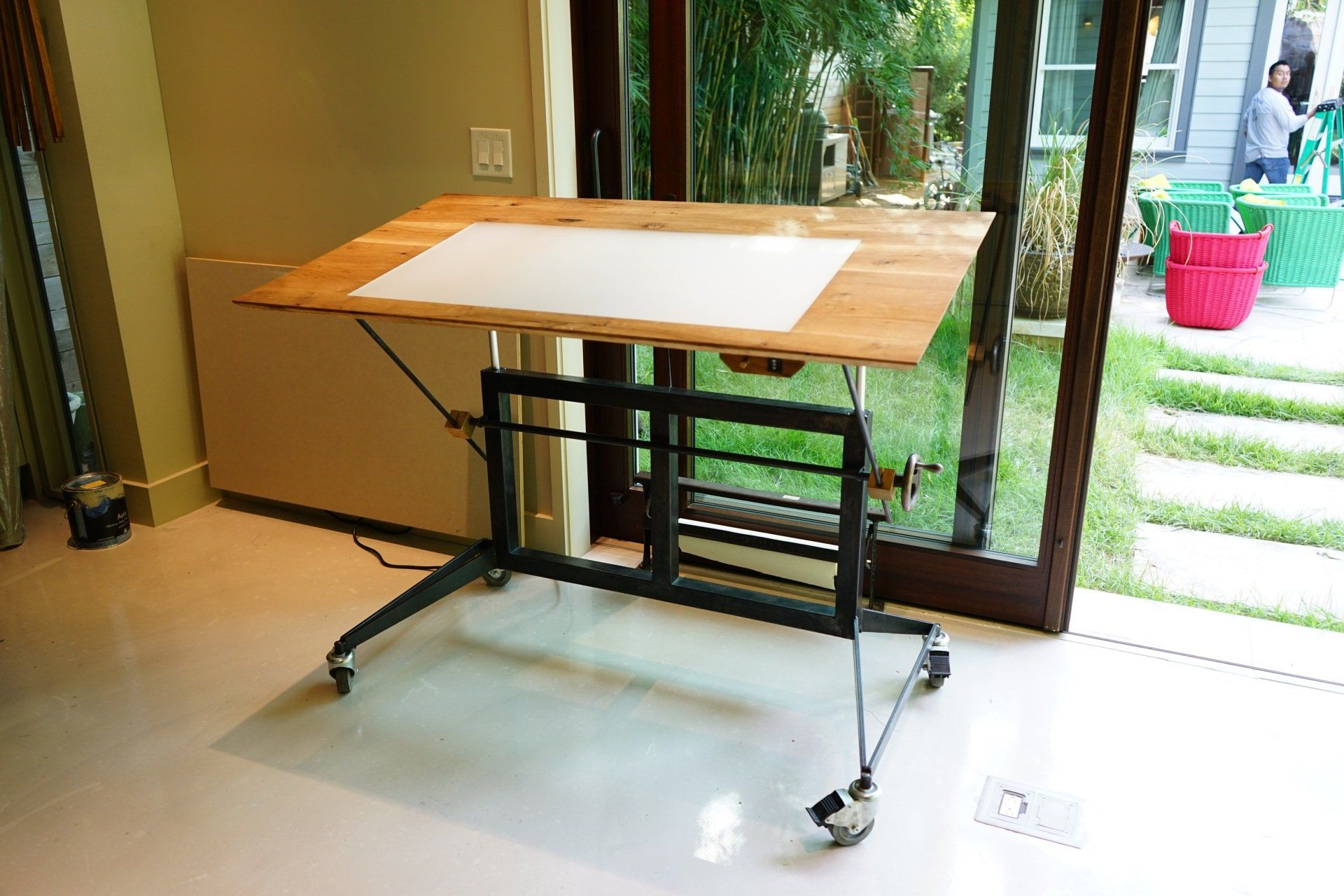
- Steel Base
- Post Oak Top
- Locking Casters
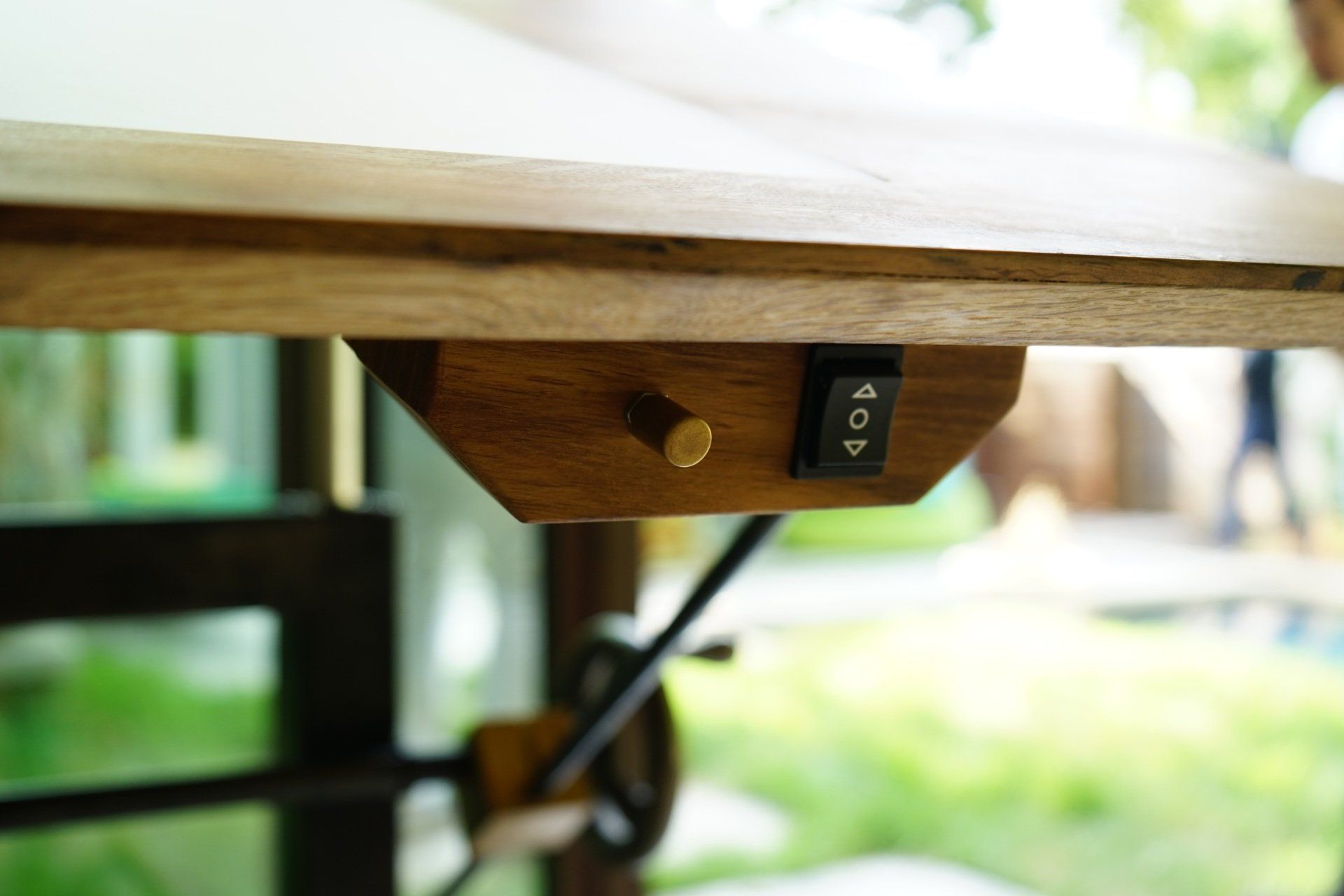
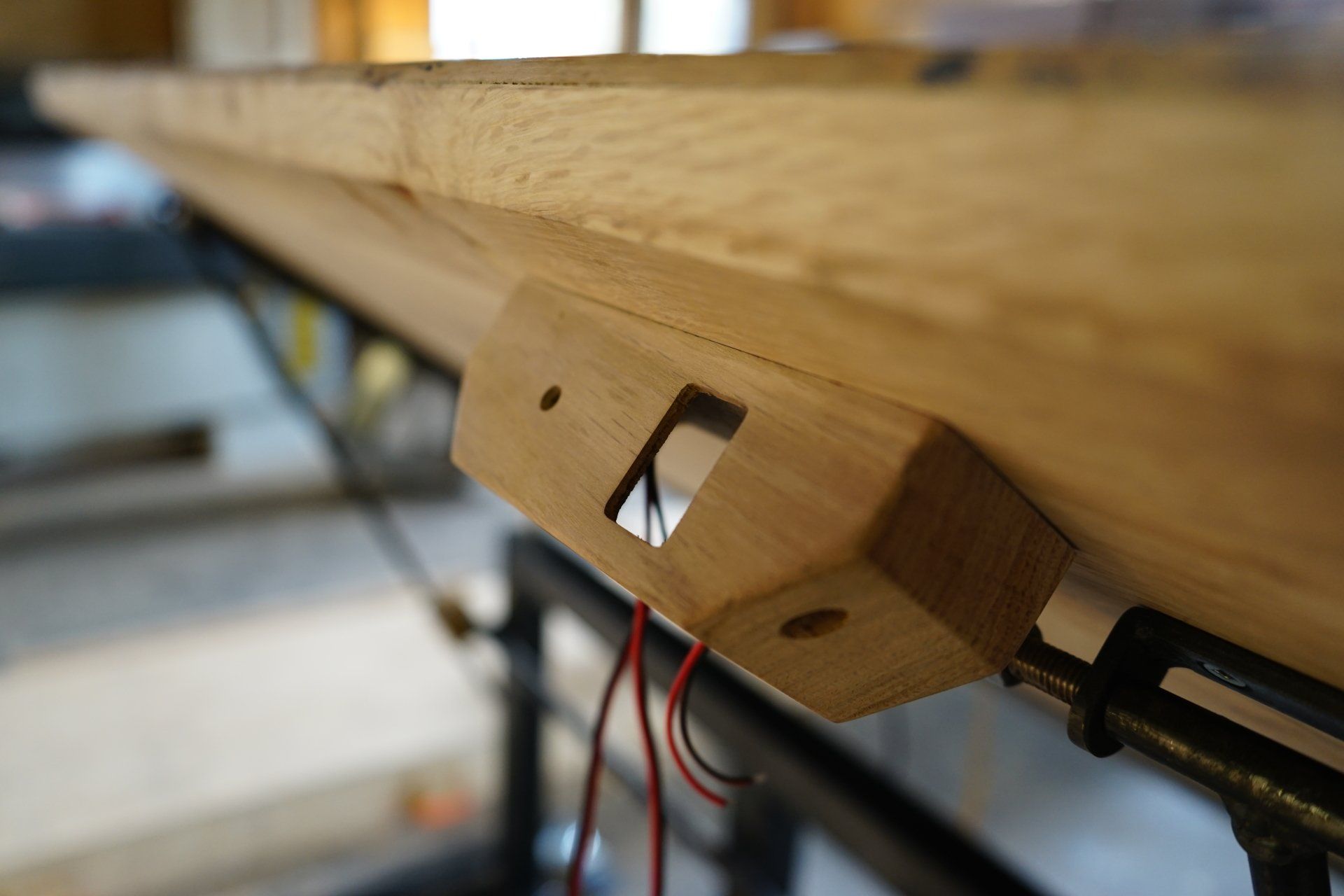
- Powered Adjustable Height
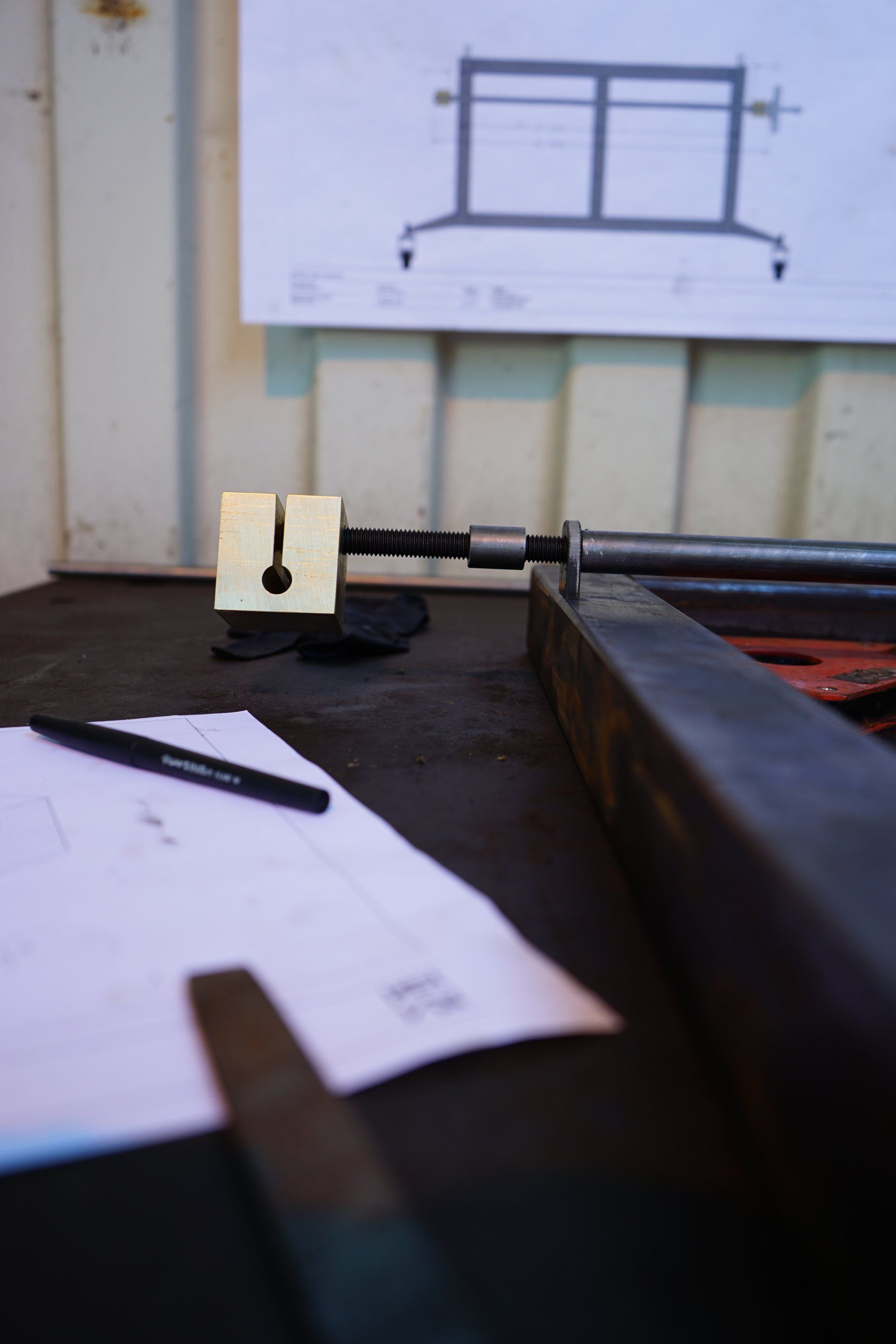
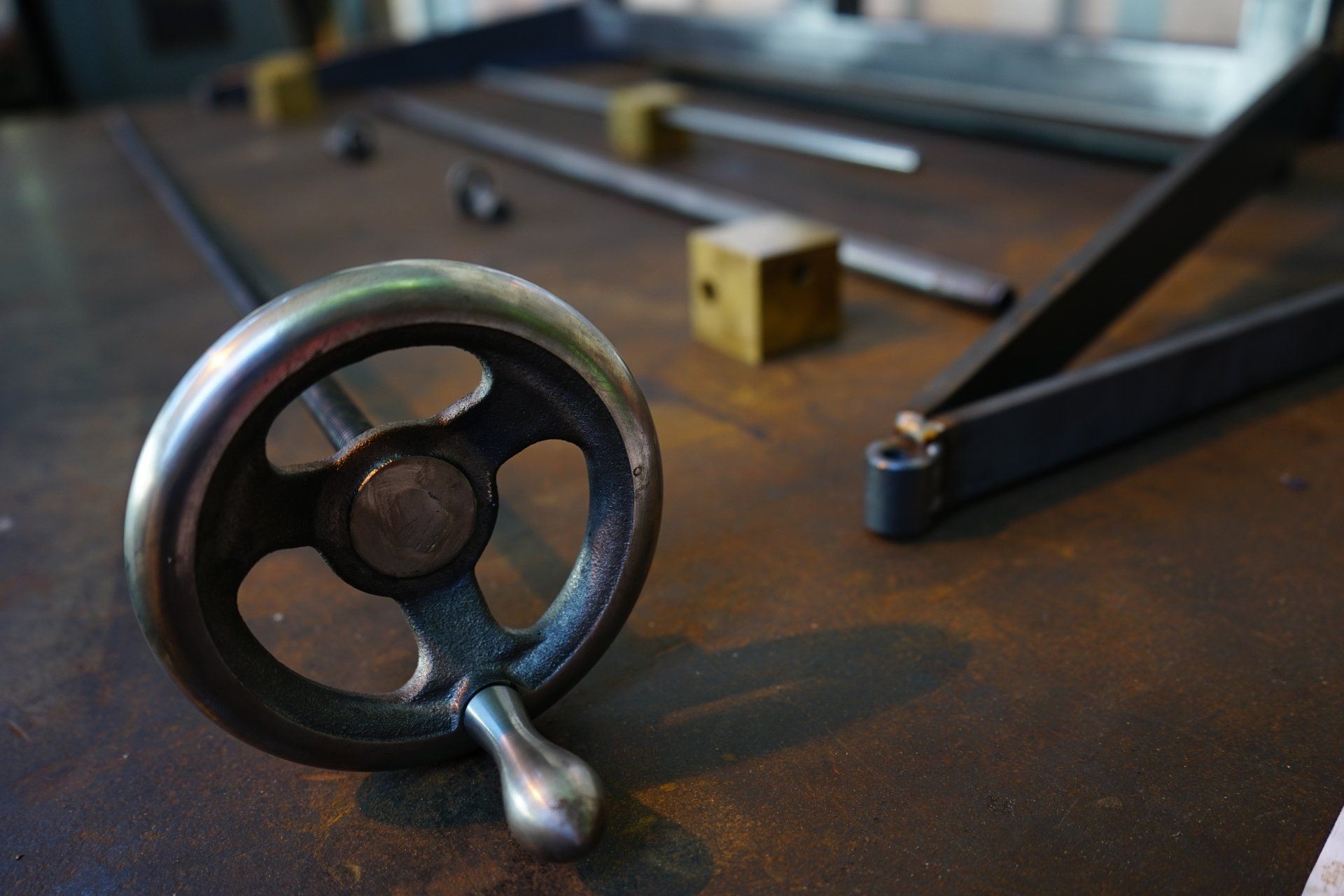
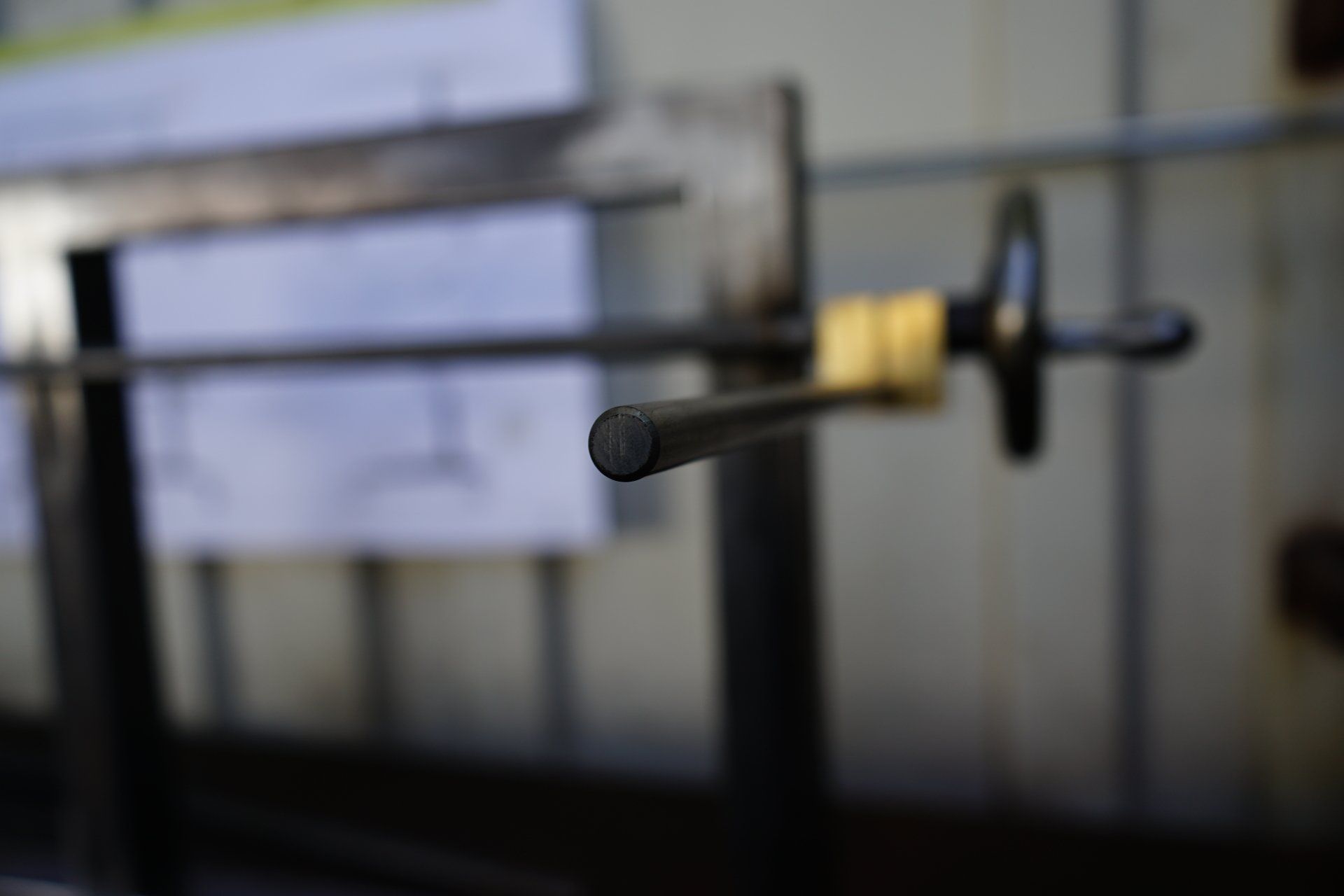
- Angle adjustment with locking hand wheel
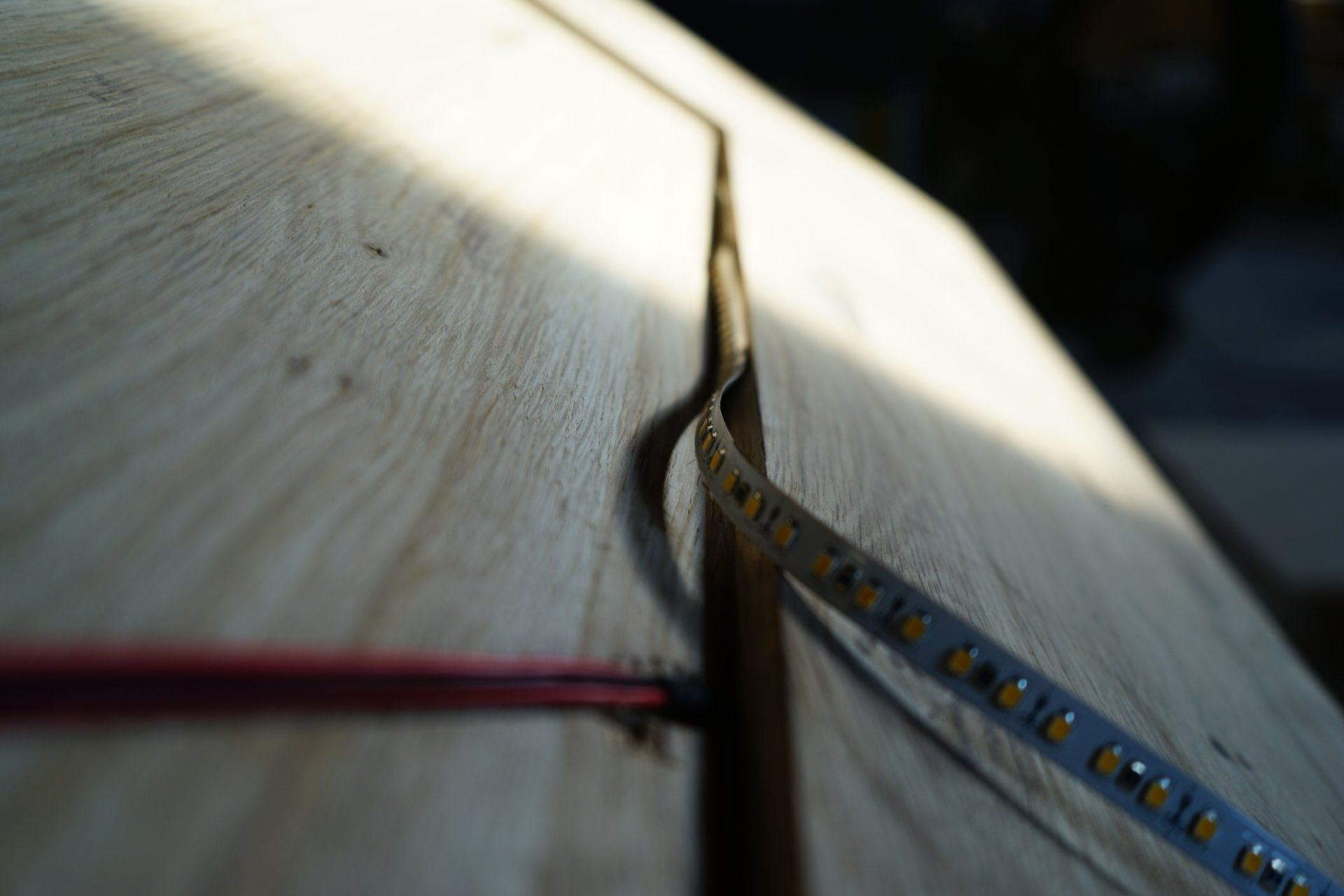
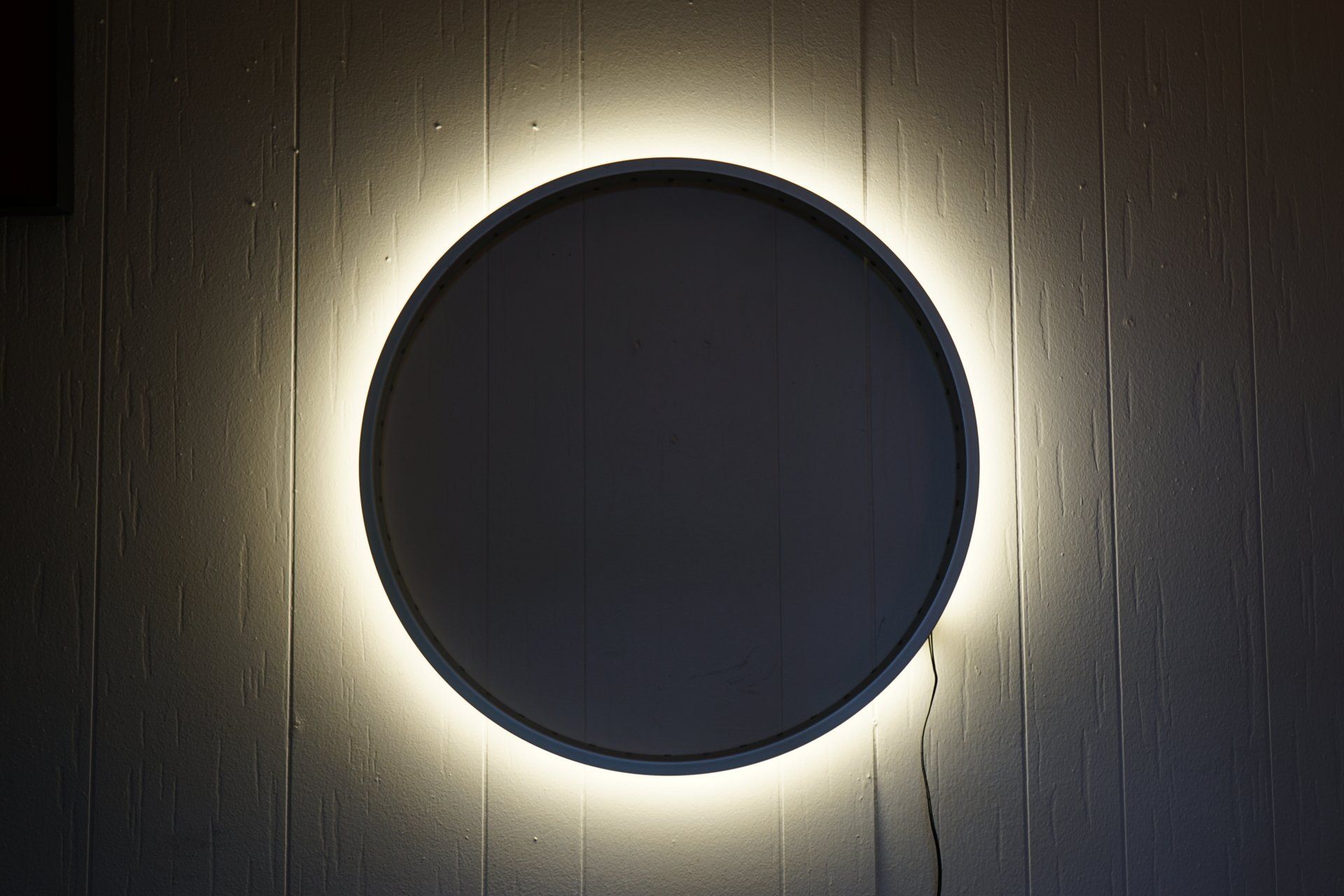
- Dimmable LED surface with ACRYLITE® EndLighten


Richard Guzman
8500 Bar K Ranch Rd
Lago Vista TX 78645
678.227.1237
rguzdesign@gmail.com